One of the world's 5 Blue Zones
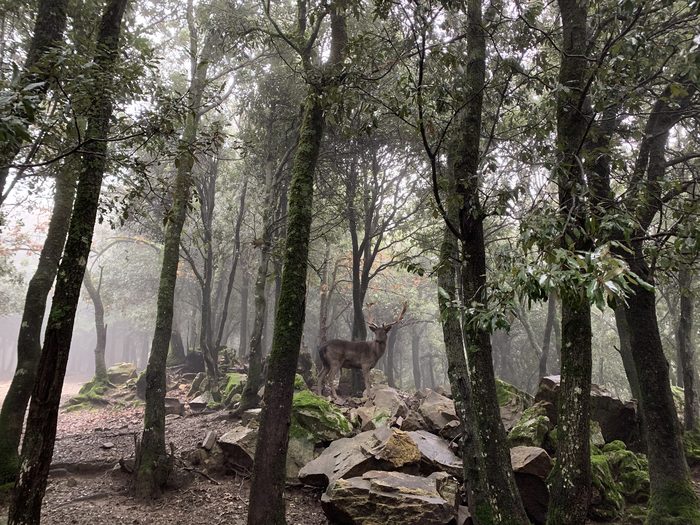
The mountainous areas of Barbagia and Ogliastra are among the five "Blue Zones" identified globally, alongside Okinawa (Japan), Loma Linda (California), Nicoya (Costa Rica) and Icaria (Greece): areas where people live significantly longer than average. Sardinia is the only one of the five where the number of male centenarians is nearly equal to that of women, an anomaly still under genetic study. A traditional diet based on legumes, vegetables and whole grains, shepherding, and strong community ties are among the factors most cited by research.
The wines that symbolise the island
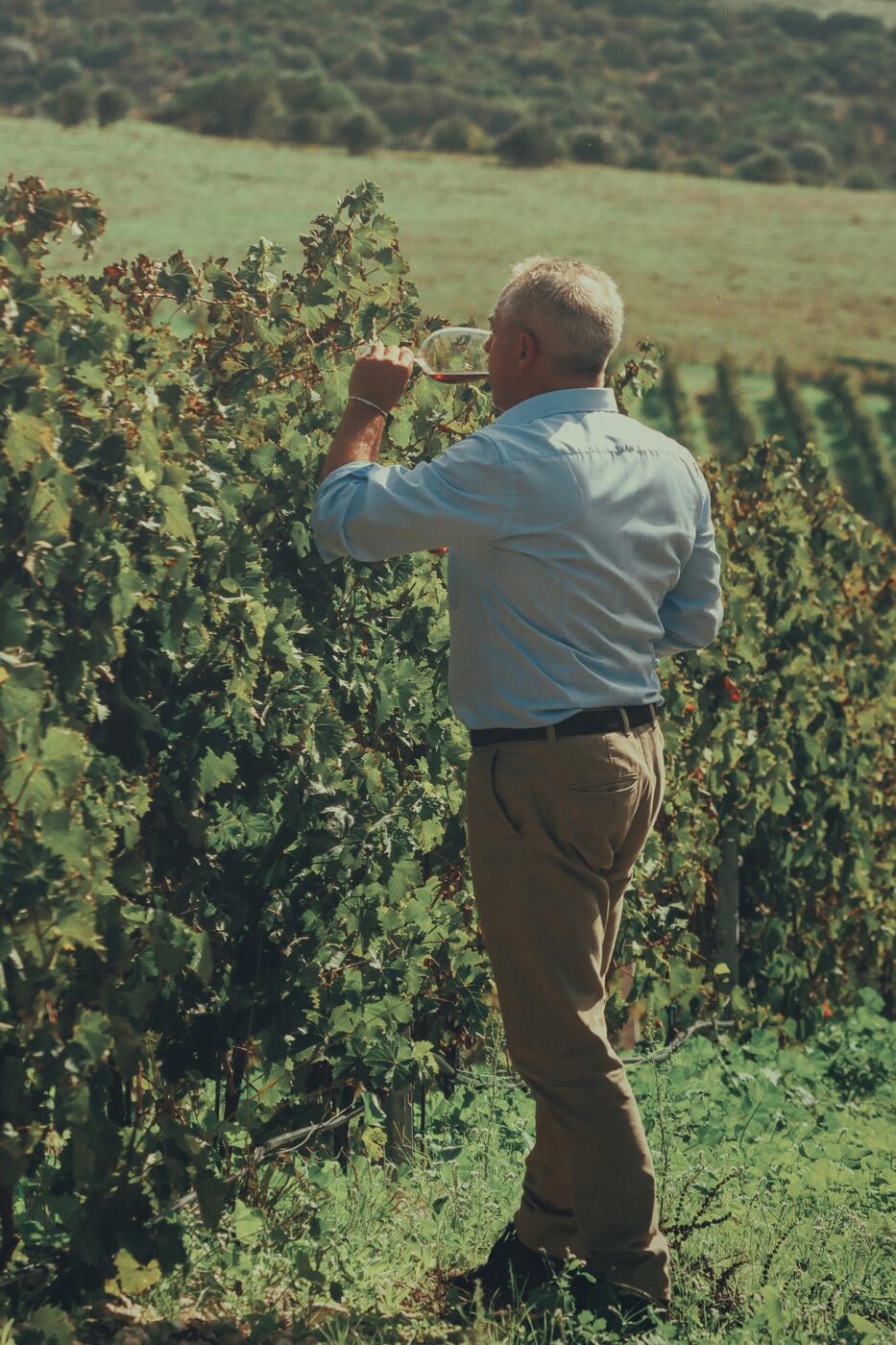
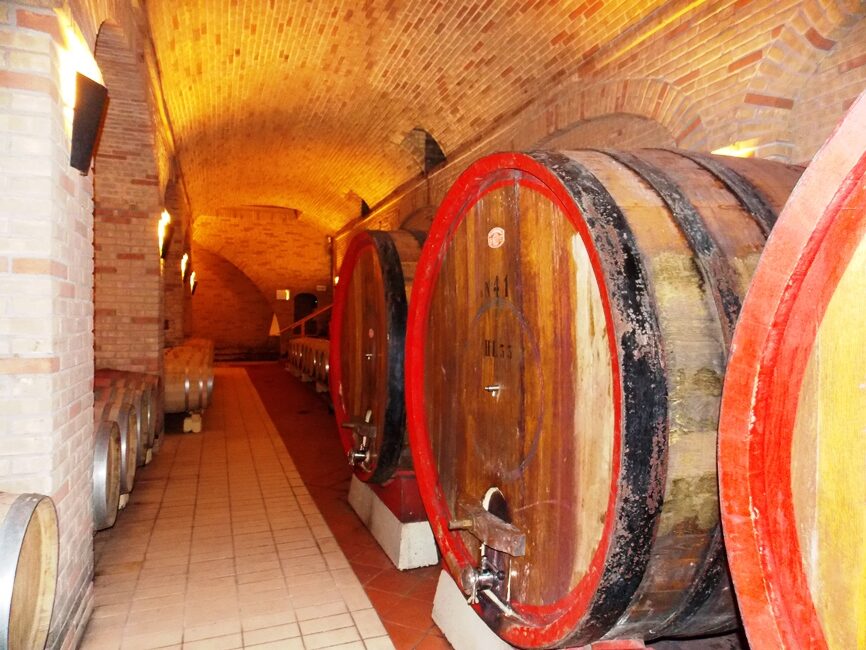
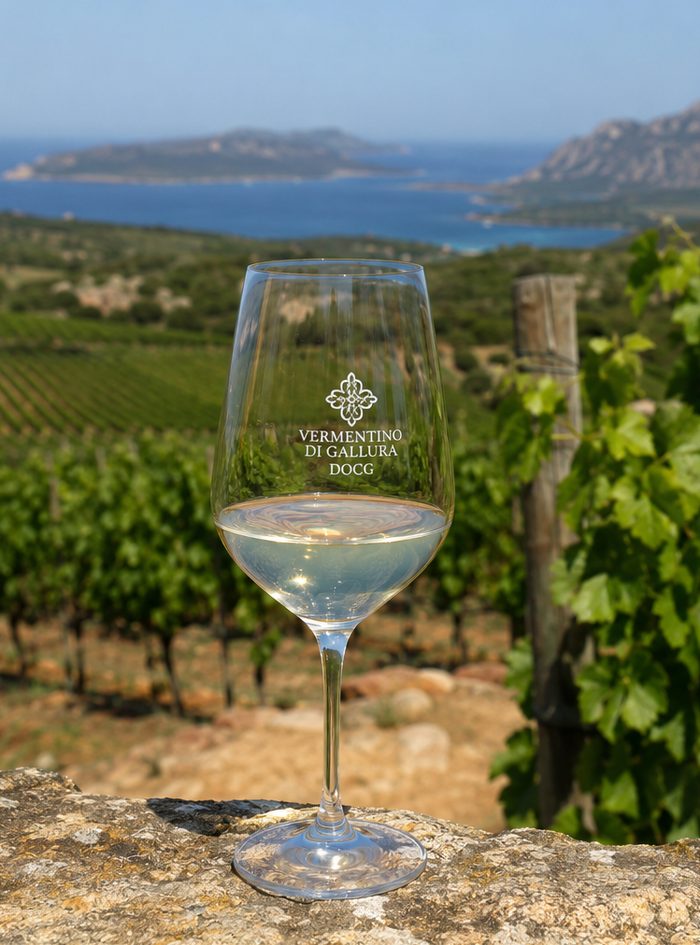
Cannonau, the most widely grown red grape in Sardinia, is also known for its high polyphenol and antioxidant content, often linked in studies to the longevity of the inland areas. Vermentino di Gallura, the island's only DOCG, is the most representative white wine of North Sardinia, produced in the granite zone around Olbia and Tempio Pausania. In the south-west, Carignano del Sulcis comes from bush-trained vines among the oldest in Europe by plant age, often ungrafted.
Cheeses and DOP products
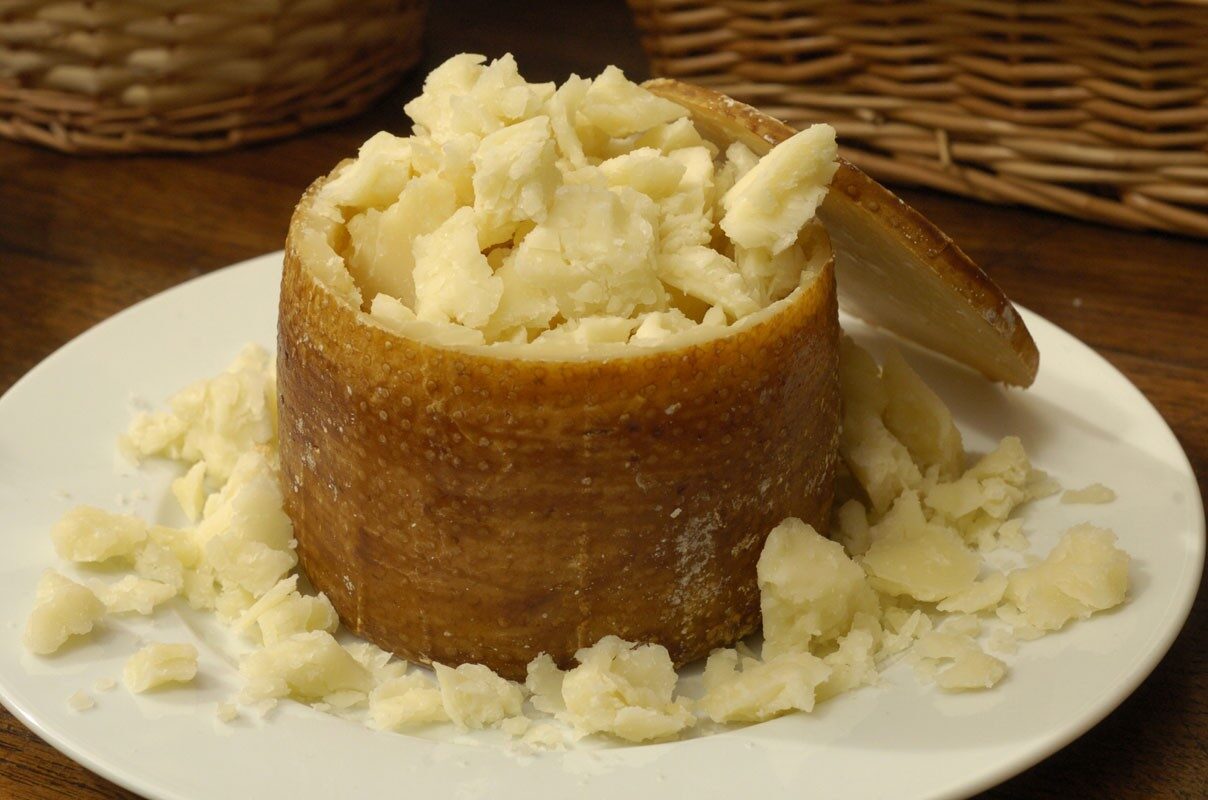
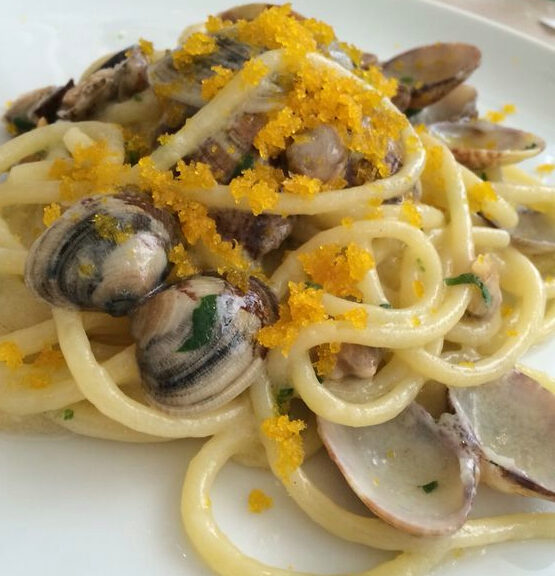
Pecorino Sardo DOP, made from the island's sheep's milk, comes in mild or aged versions. Fiore Sardo DOP, rarer and smoked, follows a production method virtually unchanged for centuries. Along the west coast, in Cabras, mullet bottarga is produced – one of the most prized and distinctive seafood products in Sardinia.
Traditional dishes
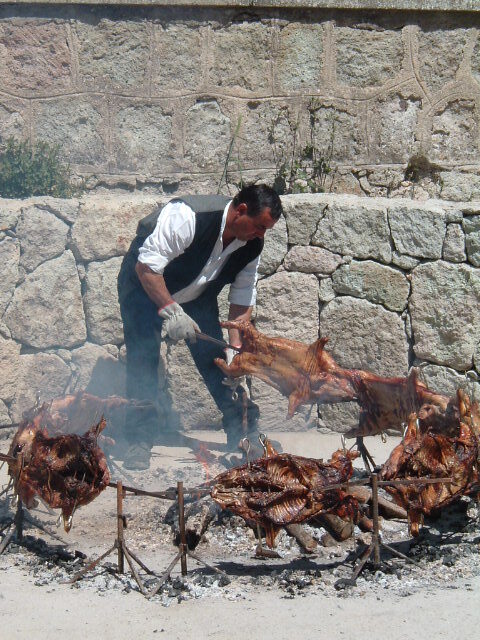
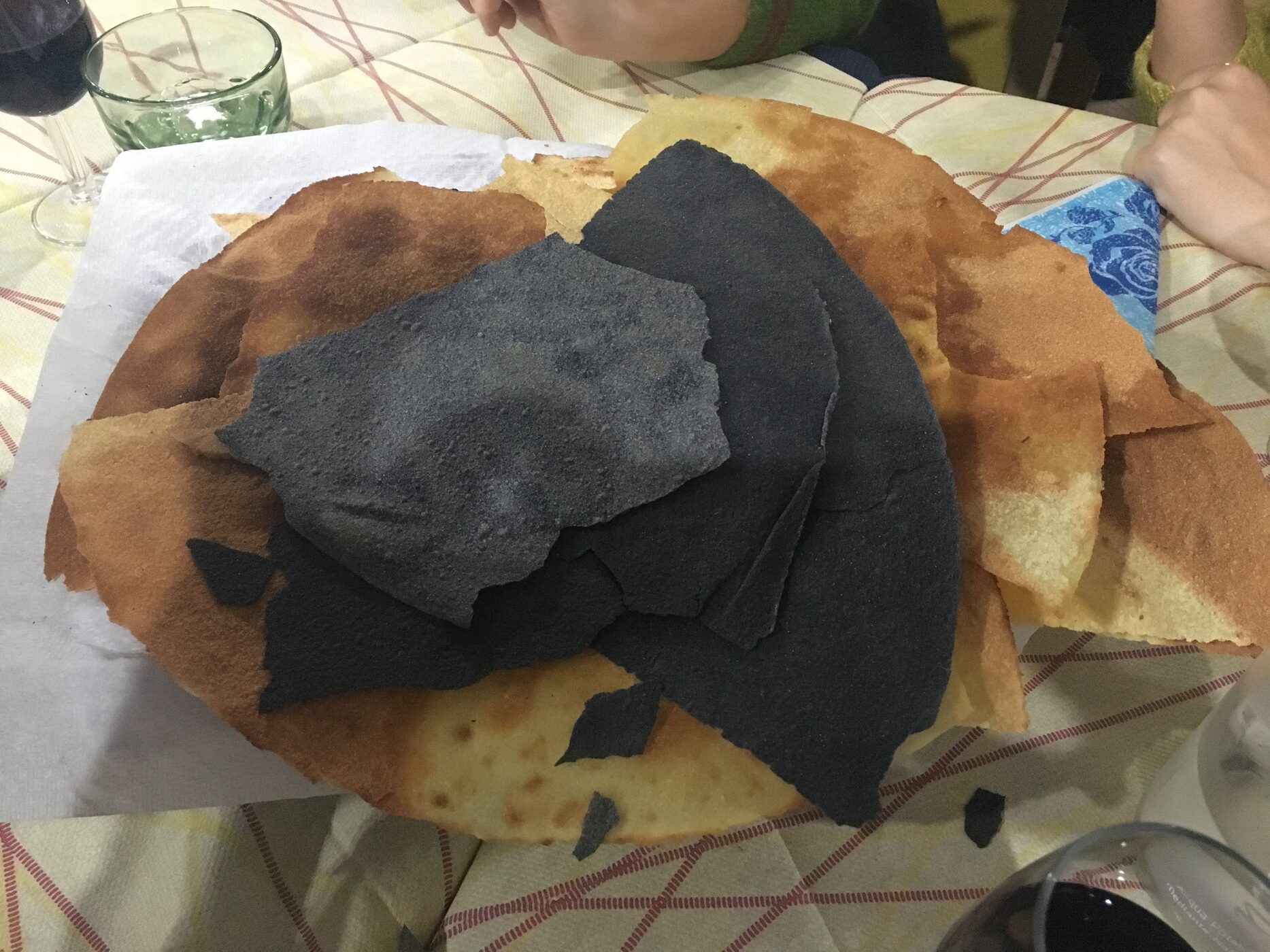
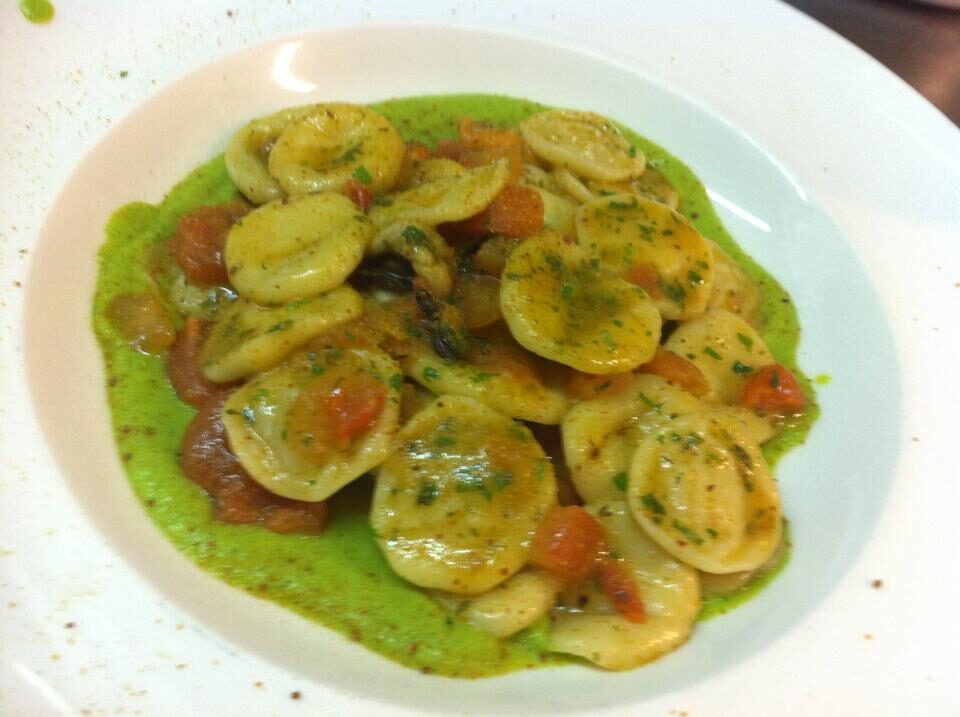
Culurgiones, ravioli filled with potato, pecorino and mint and sealed with a distinctive hand-pleated edge, originate in Ogliastra but are found across the island. Porceddu, roast suckling pig, is the dish for special occasions. Carasau bread, thin and crisp, has accompanied the Sardinian table daily for centuries and is the base for pane frattau. Among the desserts, seadas – fried fresh cheese with honey – traditionally close the meal.