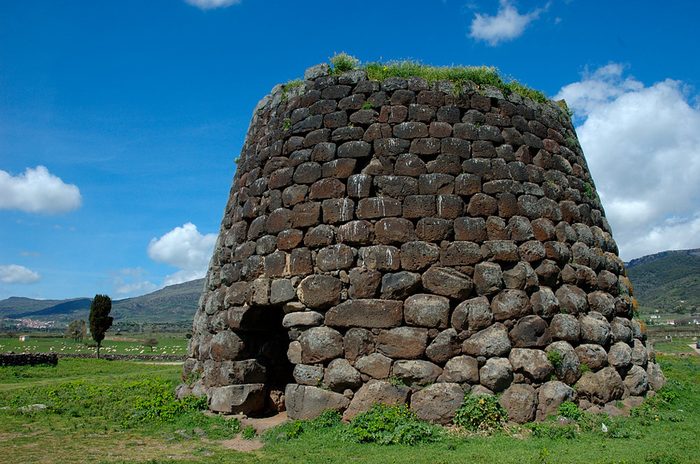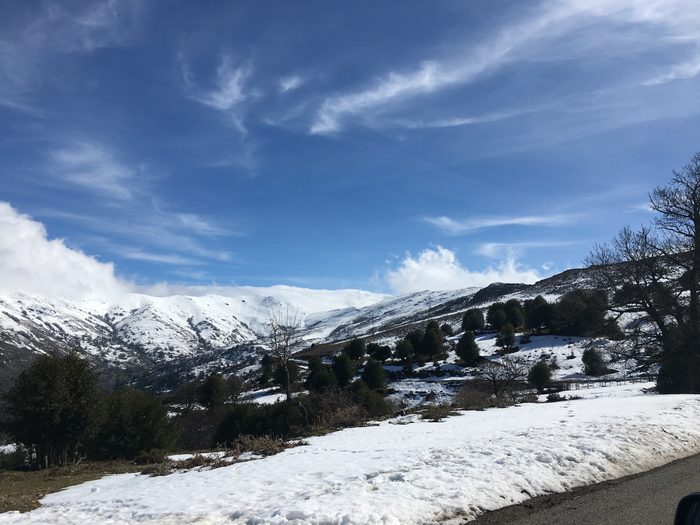
Barbagia, the Supramonte, the Gennargentu and the Oristano plain: the inland is the most authentic part of Sardinia, where pastoral traditions, carnival masks and nuragic sites tell a story of an identity that has remained almost untouched.
Central Sardinia is dominated by the Gennargentu massif, the island's most extensive mountain range, and by the Supramonte, a limestone plateau cut by deep gorges such as Su Gorropu, often compared to a small Colorado. Around Nuoro, the villages of Barbagia – Mamoiada, Orgosolo, Orgolai, Ollolai – preserve pastoral traditions, ritual masks and murals that have become a cultural draw in their own right.
To the west, the Oristano plain holds one of Sardinia's richest archaeological landscapes: from nuragic sacred wells such as Santa Cristina to the Phoenician-Roman ruins of Tharros, on the Sinis peninsula. It's a different Sardinia from the coastal one, slower and less known to mass tourism, but central to truly understanding the island.
Mountains, traditions and archaeological sites: the inland is best explored at a slower pace, often on dedicated day trips.
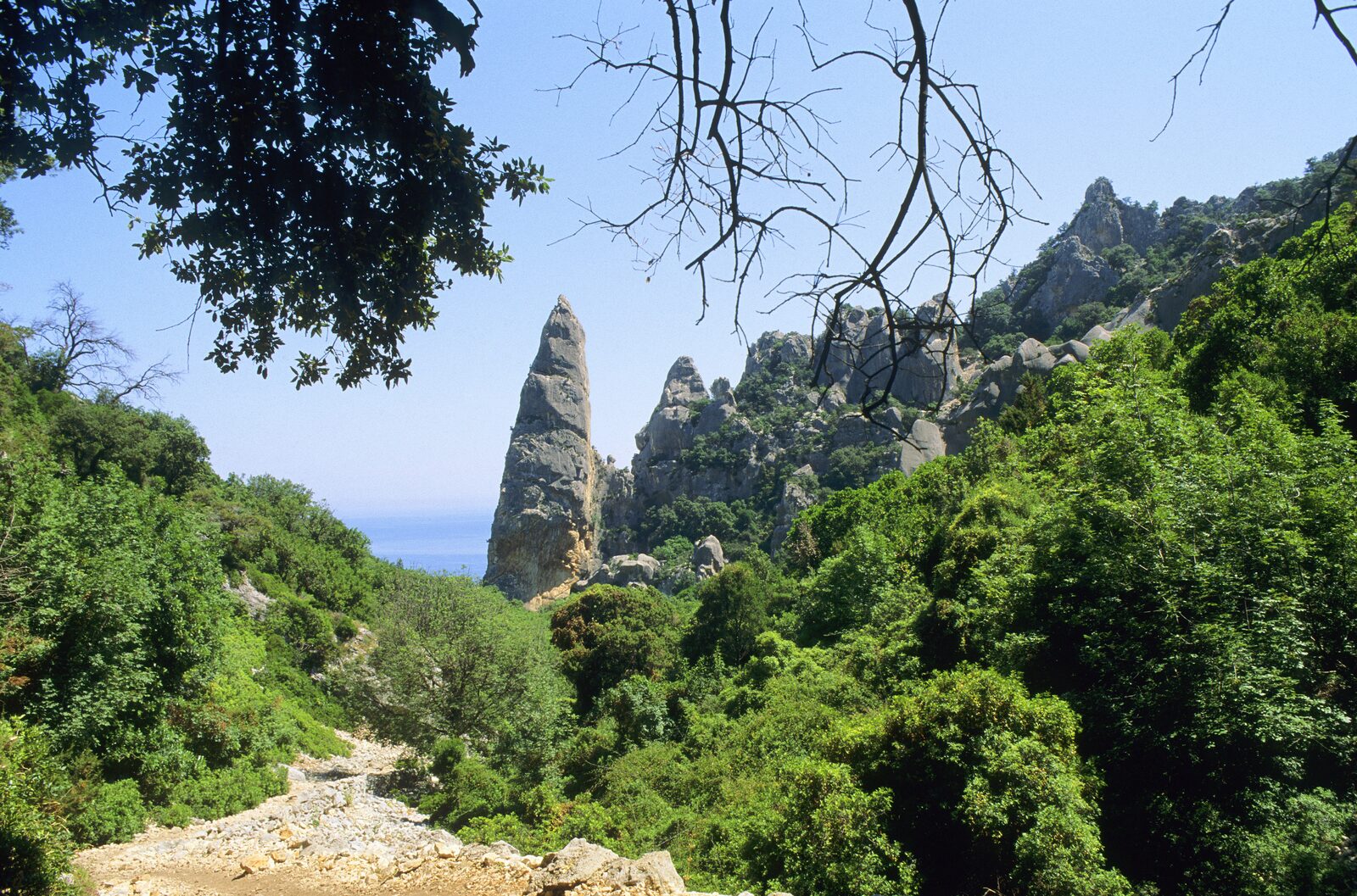
Considered one of the deepest canyons in Europe, Su Gorropu is reached with a trek of a few hours between limestone walls over 400 metres high, through a landscape of rock spires and towers unique in Sardinia. It's one of the most sought-after destinations for those looking for a challenging trekking experience at the heart of the island.
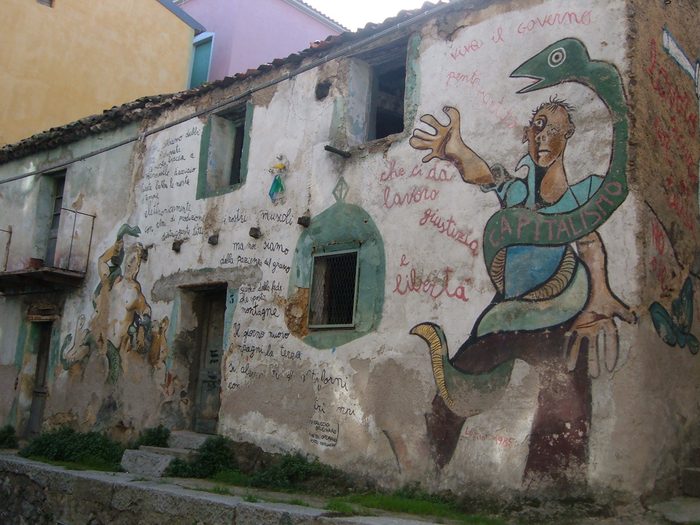
Since the 1970s, the people of Orgosolo have turned the village's facades into a visual chronicle of Barbagia history, politics and daily life. Today the village counts over 200 murals and stands as one of Italy's most original examples of street art.
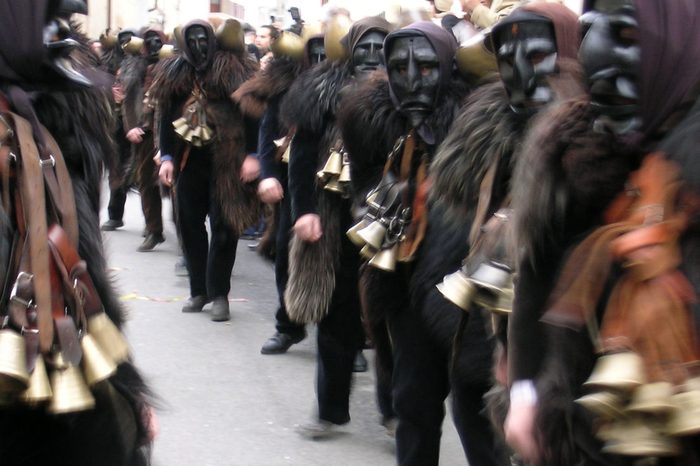
The wooden masks of the Mamuthones, accompanied by the Issohadores, parade every year during Mamoiada's carnival in one of the oldest and most studied pastoral traditions in Sardinia, of likely pre-Christian origin.
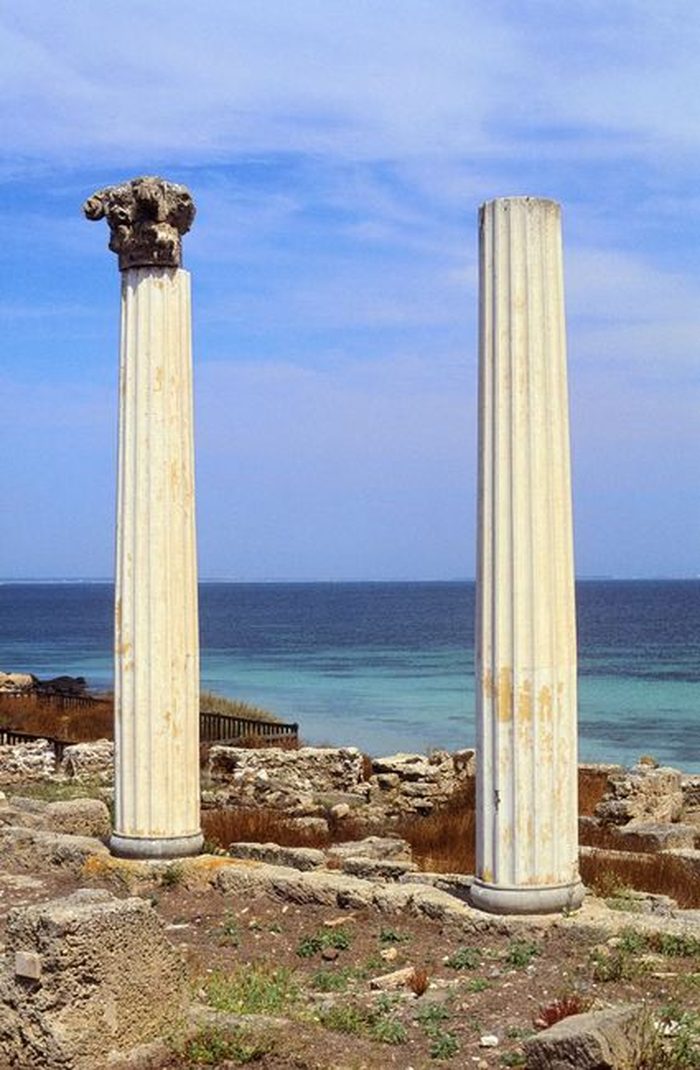
On the Sinis peninsula, near Oristano, the ruins of Tharros tell over a thousand years of Phoenician, Punic and Roman history against a backdrop of crystal-clear sea.
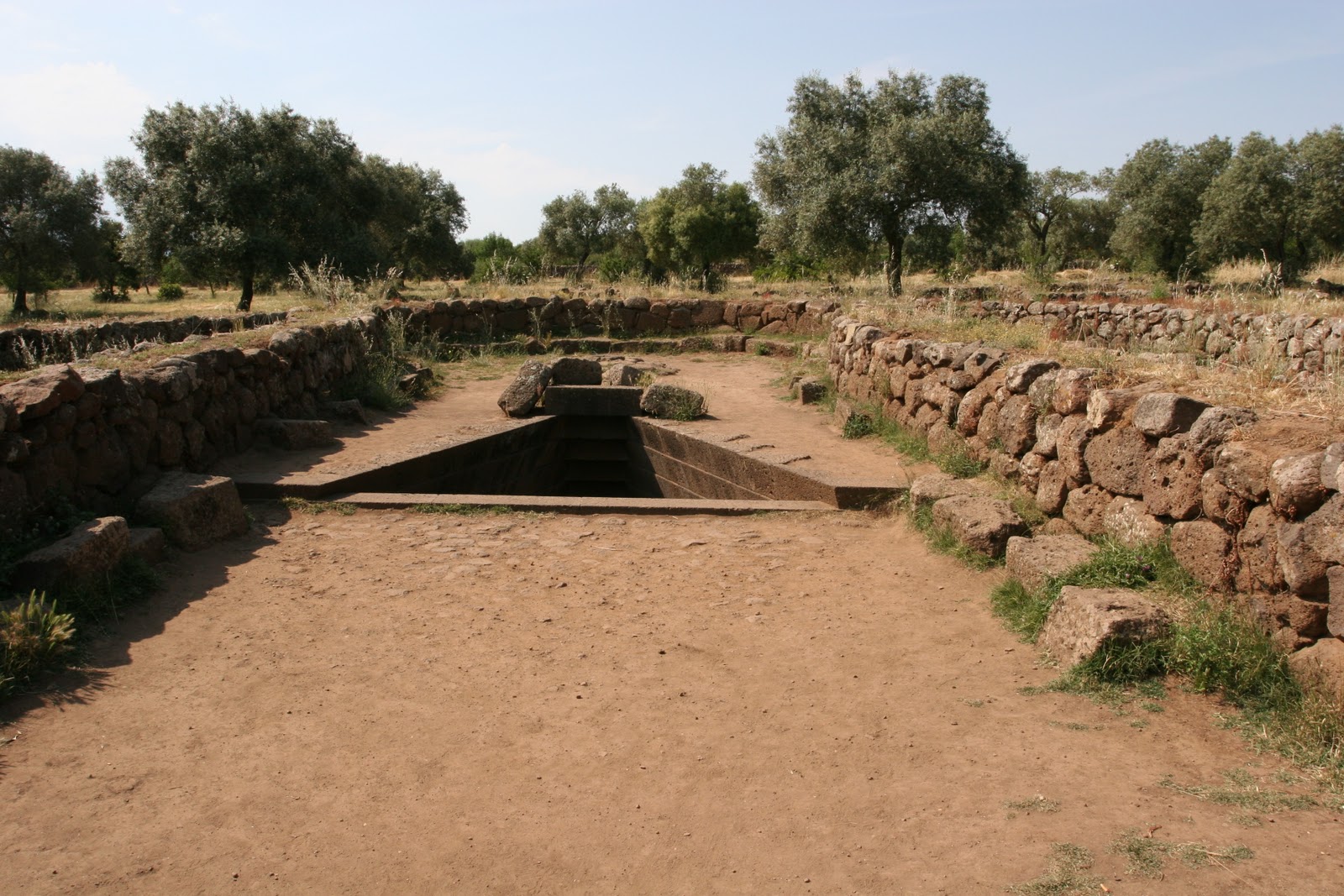
Near Paulilatino, this nuragic well temple is one of the best-preserved examples in Italy: a trapezoidal staircase of perfectly cut basalt blocks descends to the water chamber, with an astronomical alignment tied to the solstices still observable today.
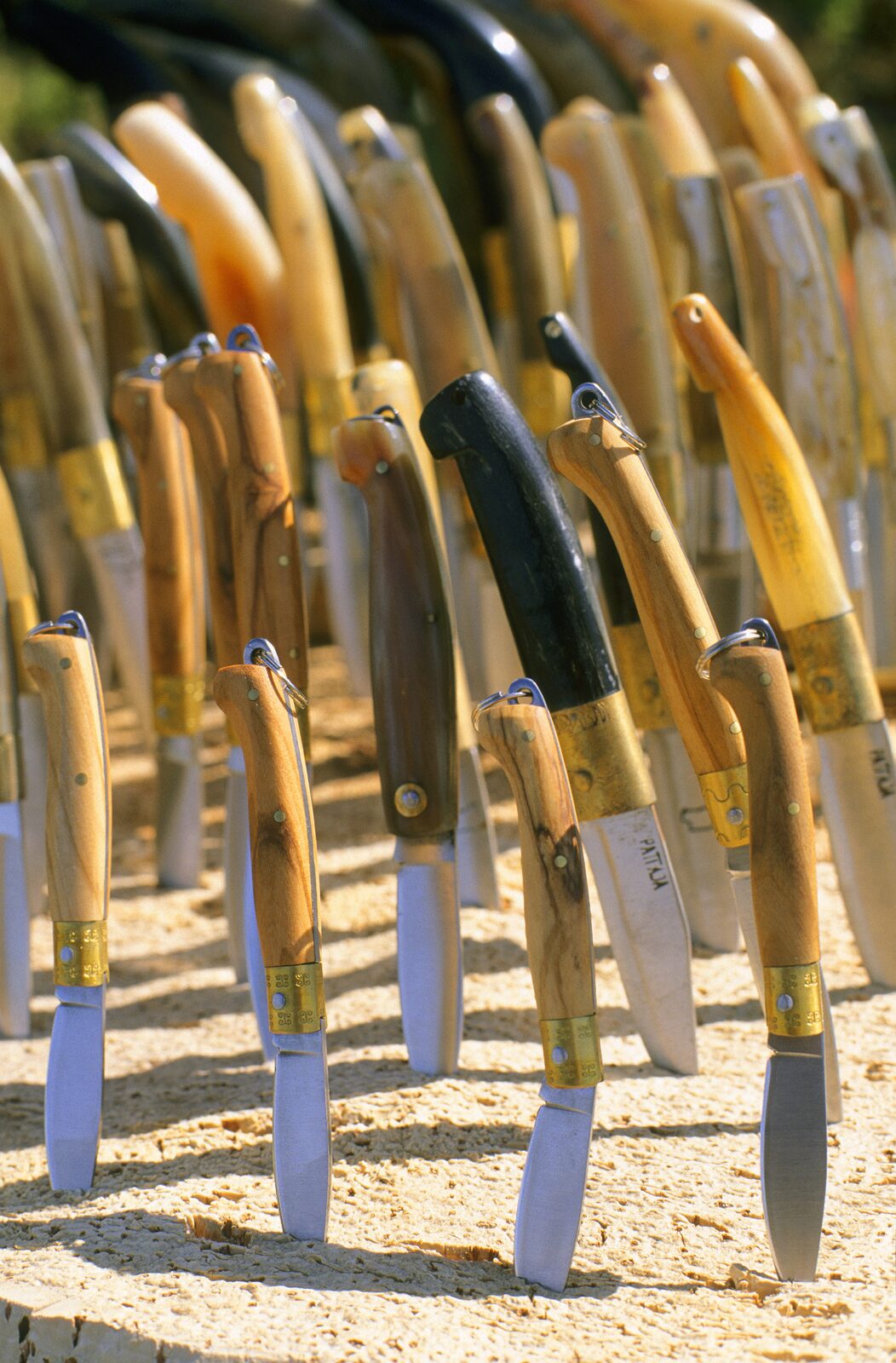
The village of Pattada, in Barbagia, is renowned throughout Italy for "sa resolza", the traditional Sardinian pocket knife handcrafted with a horn or wild-olive wood handle. A craft tradition passed down through generations, which can be seen first-hand in the workshops of local master knife-makers.
Trekking in the Supramonte, tours of murals and nuragic sites, traditional tastings: send us your dates and we'll build the programme together.