The La Maddalena archipelago, the reserve-island of Asinara, small Tavolara and the islands of the Sulcis, Sant'Antioco and San Pietro: another way to experience Sardinia, reachable only by sea.
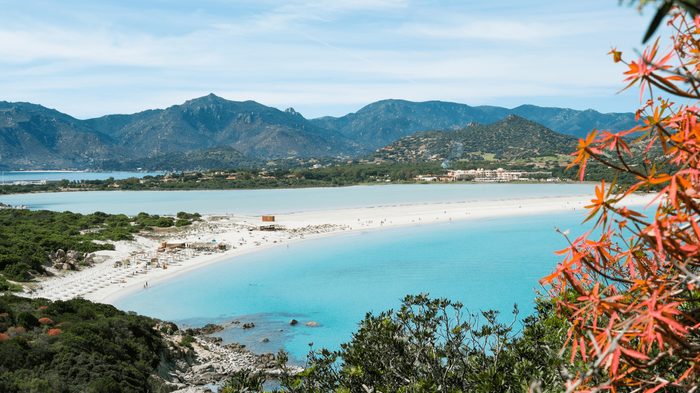
Off the north-eastern coast, the La Maddalena archipelago gathers seven main islands – La Maddalena, Caprera, Spargi, Santa Maria, Budelli and the others – today protected as a National Park. They're famous for pink beaches (Budelli) and some of the clearest water in the Mediterranean, but also for the story of Giuseppe Garibaldi, who lived and died on Caprera.
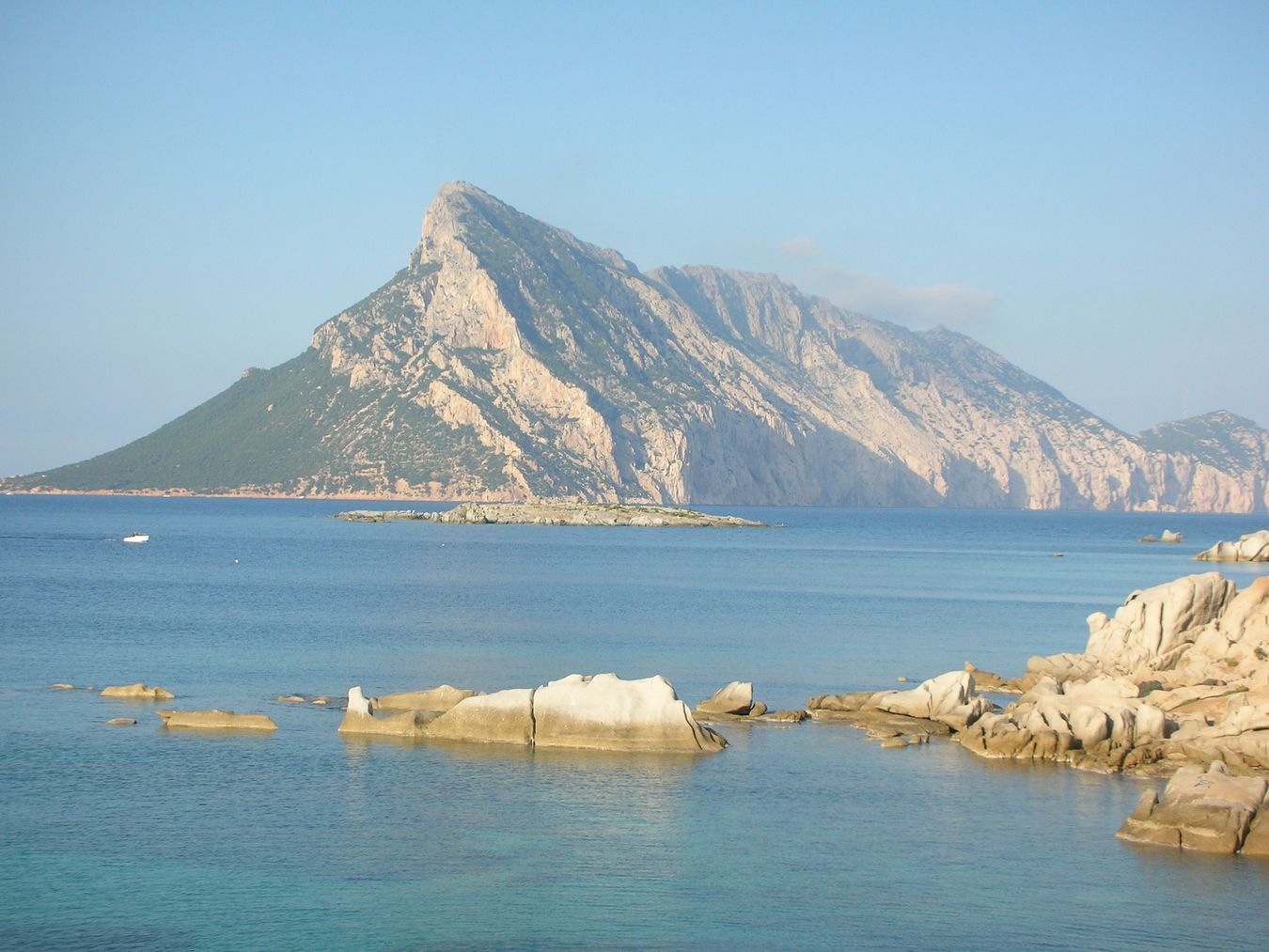
A little further south, off Olbia, the island of Tavolara rises as a limestone block over 500 metres high, nicknamed 'the little Australia'. To the north-west, Asinara is an almost entirely uninhabited reserve-island, a former penal colony now a National Park, famous for the albino donkeys that give it its name. To the south-west, Sant'Antioco and San Pietro hold Carloforte, a village of Ligurian origin with a cuisine and dialect unique in Sardinia.
Each island is visited differently: a day excursion, a nature trek or a longer stay.
Seven main islands and dozens of islets, reachable by ferry from Palau or directly by boat from Alghero and Olbia with our full-day excursions. Cala Coticcio, Spiaggia del Relitto and Budelli are among the most requested stops.
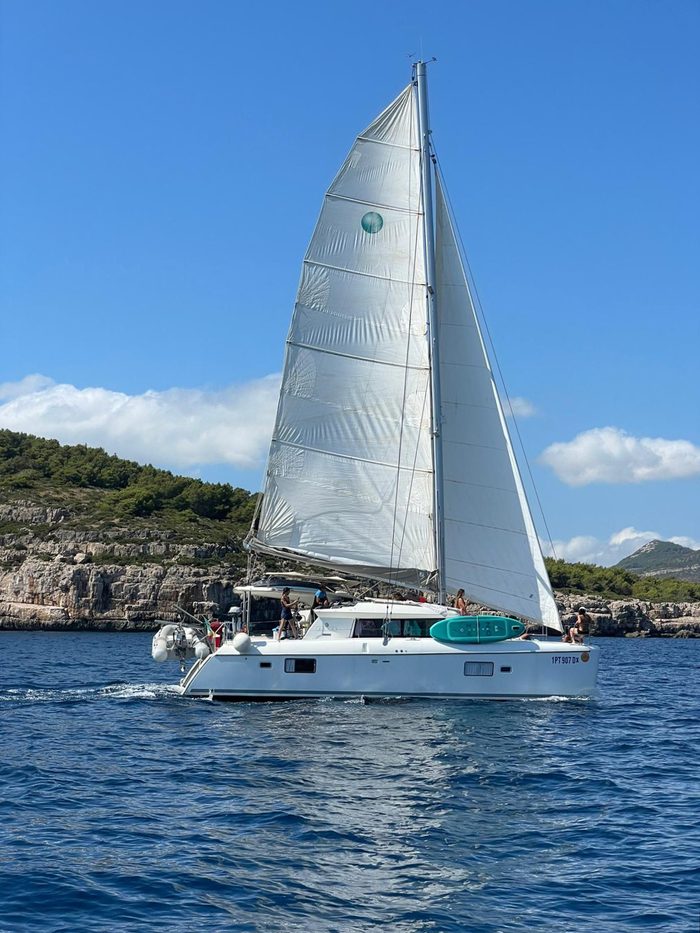
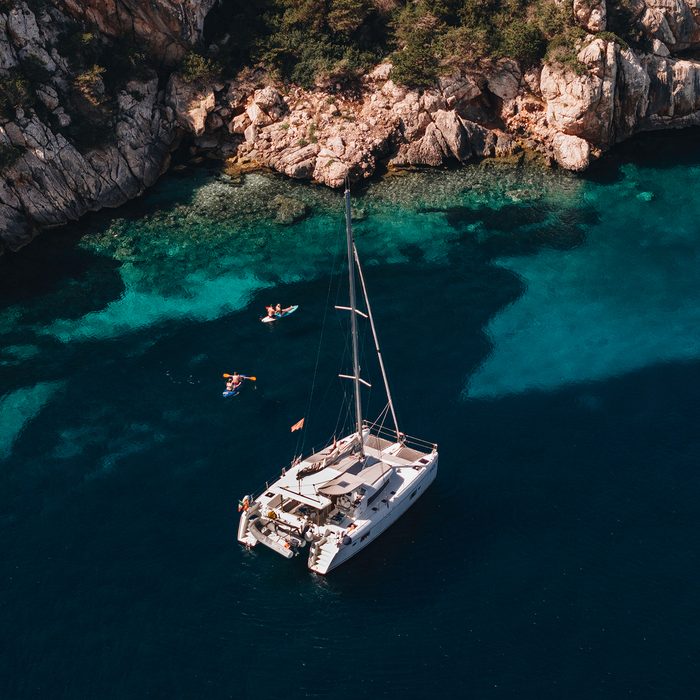
Catamaran outings at sunset, with an aperitif on board, are one of the most popular ways to experience the archipelago without the boat traffic of peak hours, with light that brings out the colours of the granite and the sea.
A private motorboat quickly reaches Tavolara, the limestone island dominating the Gulf of Olbia, ideal for a half-day trip combined with snorkelling in the protected waters of the marine reserve.
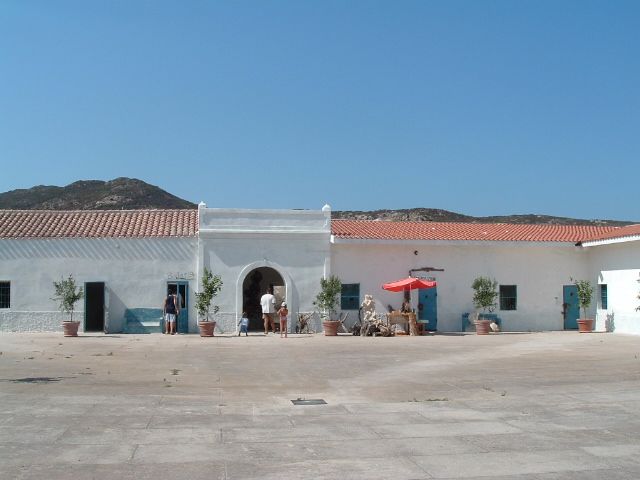
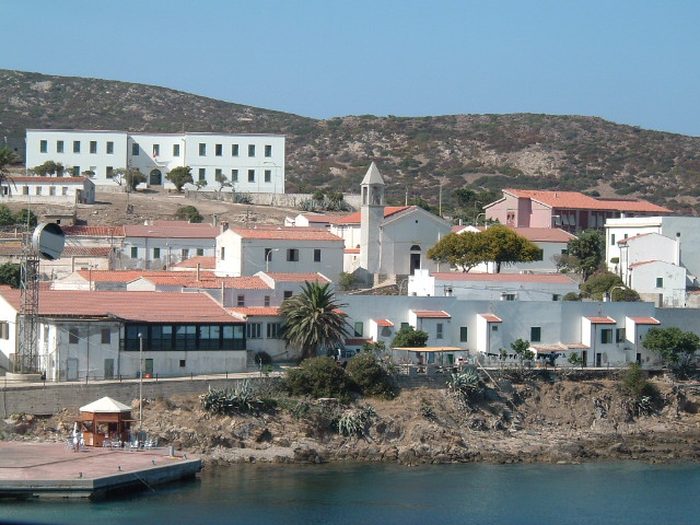
A former penal colony now a National Park, Asinara can be visited on a day trip from Stintino or Porto Torres, among unspoilt beaches, the whitewashed buildings of the former Cala d'Oliva settlement and the famous white donkeys that give the island its name.
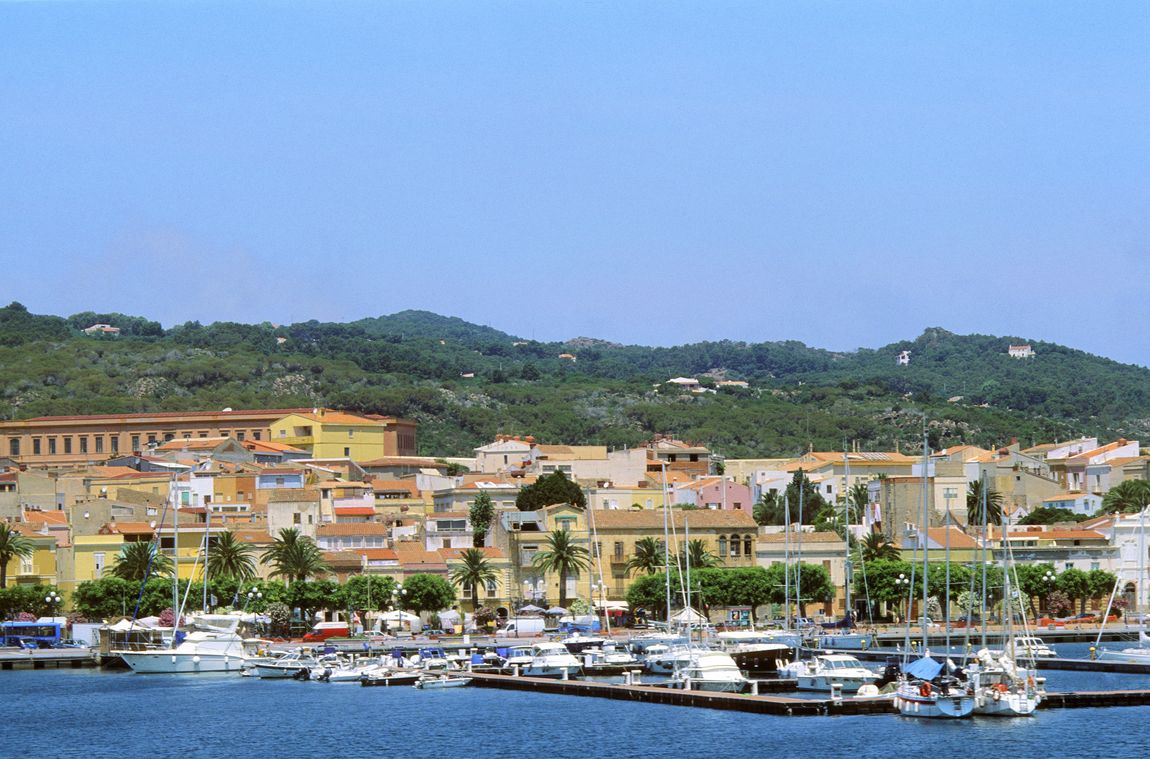
The largest of Sardinia's minor islands, connected to the mainland by an artificial isthmus of Phoenician-Punic origin. Its main town has a lively marina and one of the oldest archaeological heritages in Sardinia.
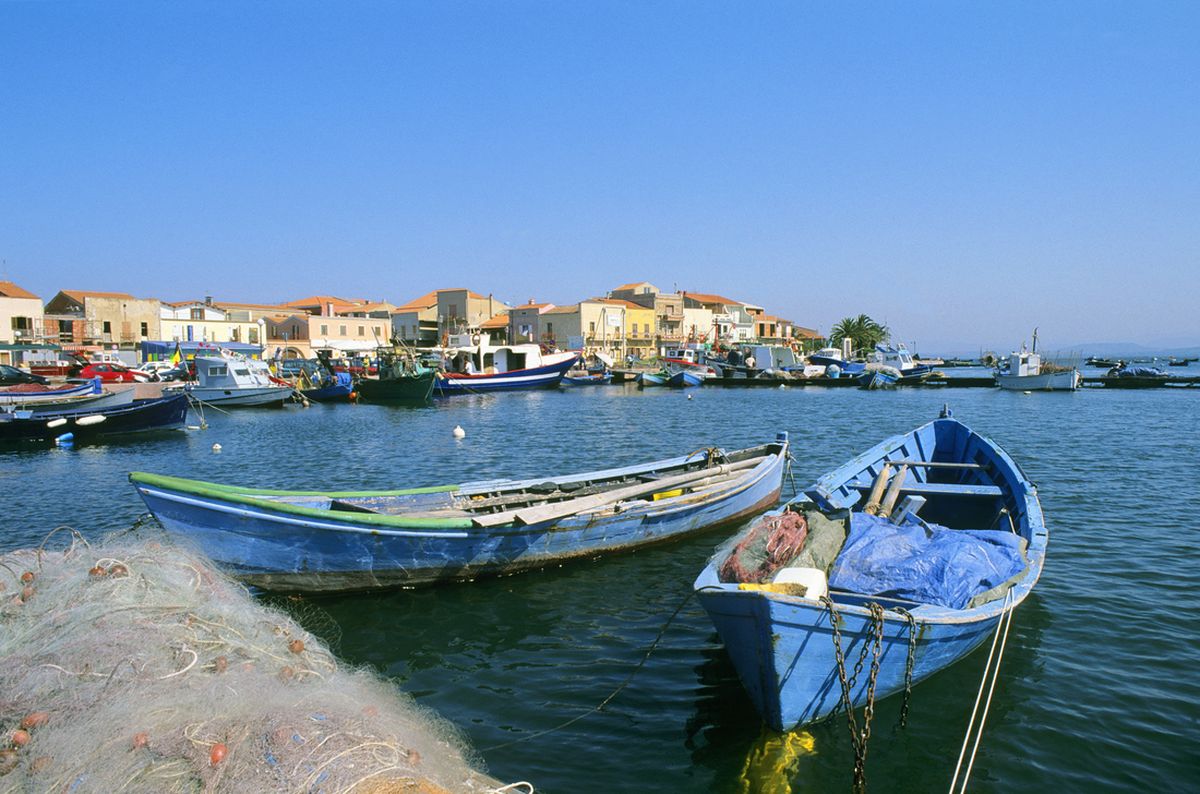
Reached by ferry from Portovesme or Calasetta, the island of San Pietro is home to Carloforte, a fishing village founded by Ligurian settlers in the 18th century: cuisine, dialect and traditions unique in Sardinia, tied to the historic tuna fishery.
Day excursions, sunset outings or multi-day itineraries among the Sardinian archipelagos: send us your dates and we'll suggest the best options.