🏛️ How to experience Sardinia

Culture & Traditions
7,000 nuraghi and rites that stayed authentic

From nuragic towers to the masks of the Barbagia carnival, from tenore singing – a UNESCO heritage – to the festivals that still shape village calendars today: a culture that has stayed alive, not turned into a museum piece.

🏛️ Over 7,000 nuraghi across the island 🎭 Masks and rites of the Barbagia carnival 🎵 Tenore singing, a UNESCO heritage 🎉 Traditional festivals all year round
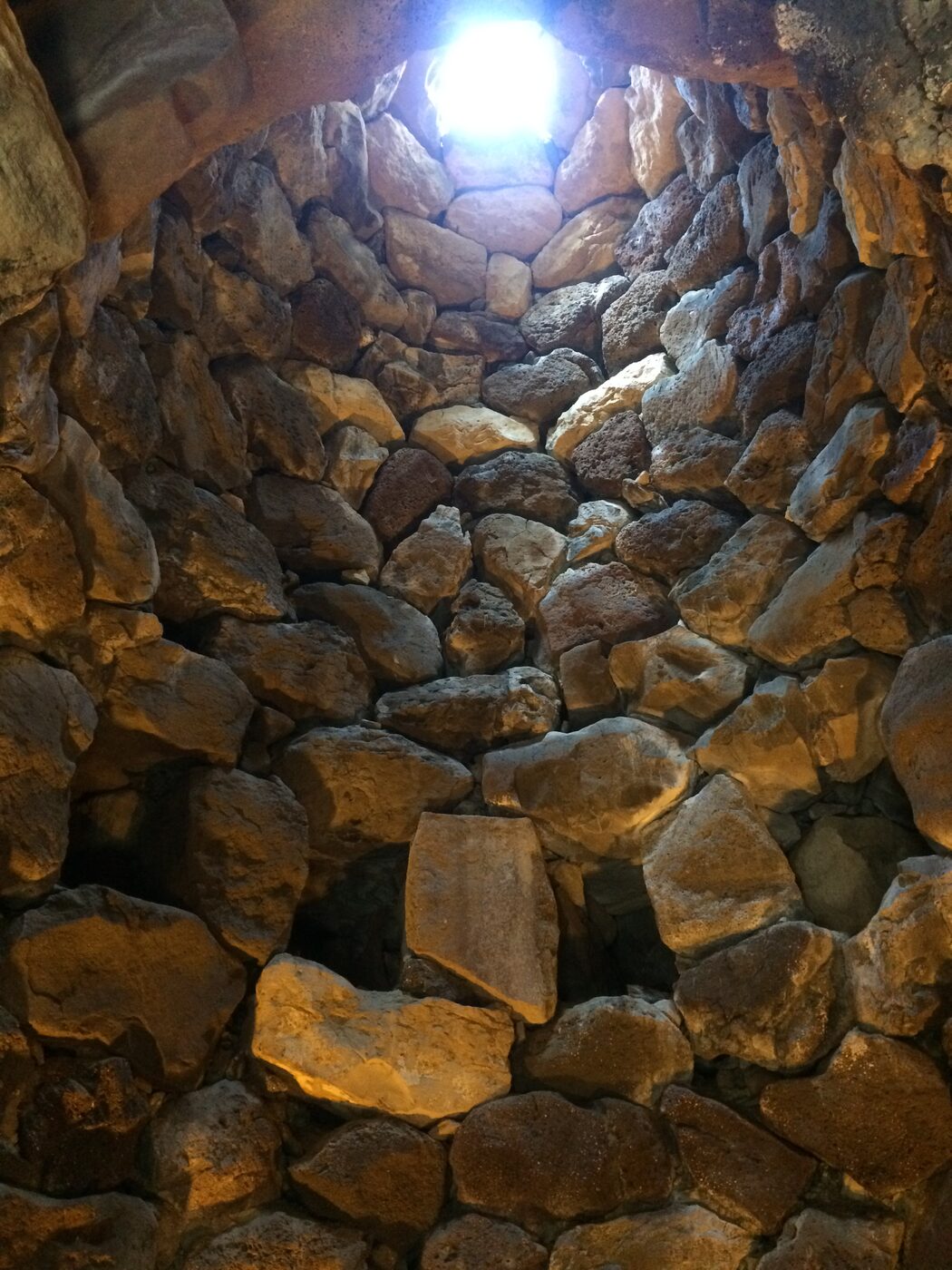
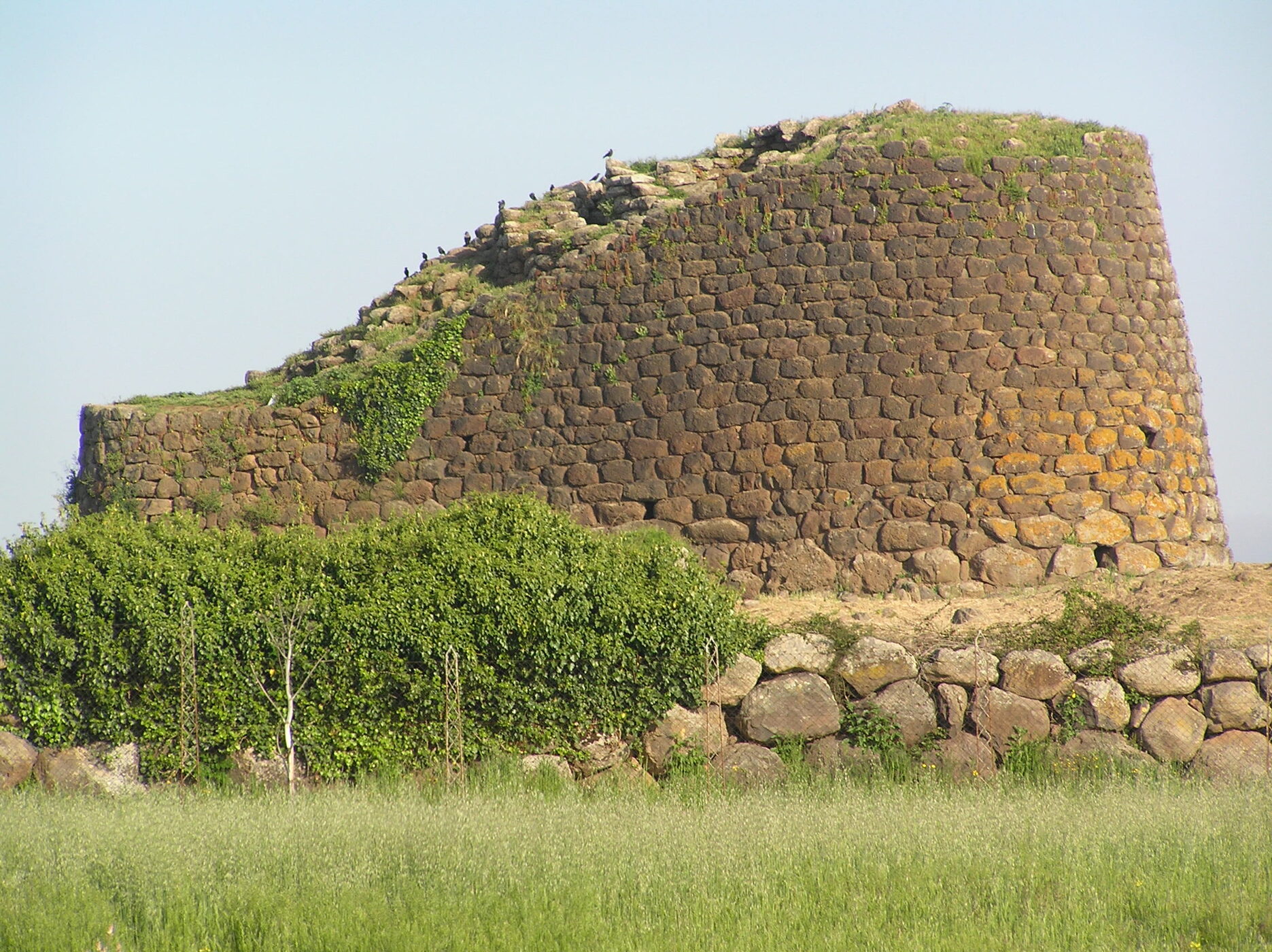
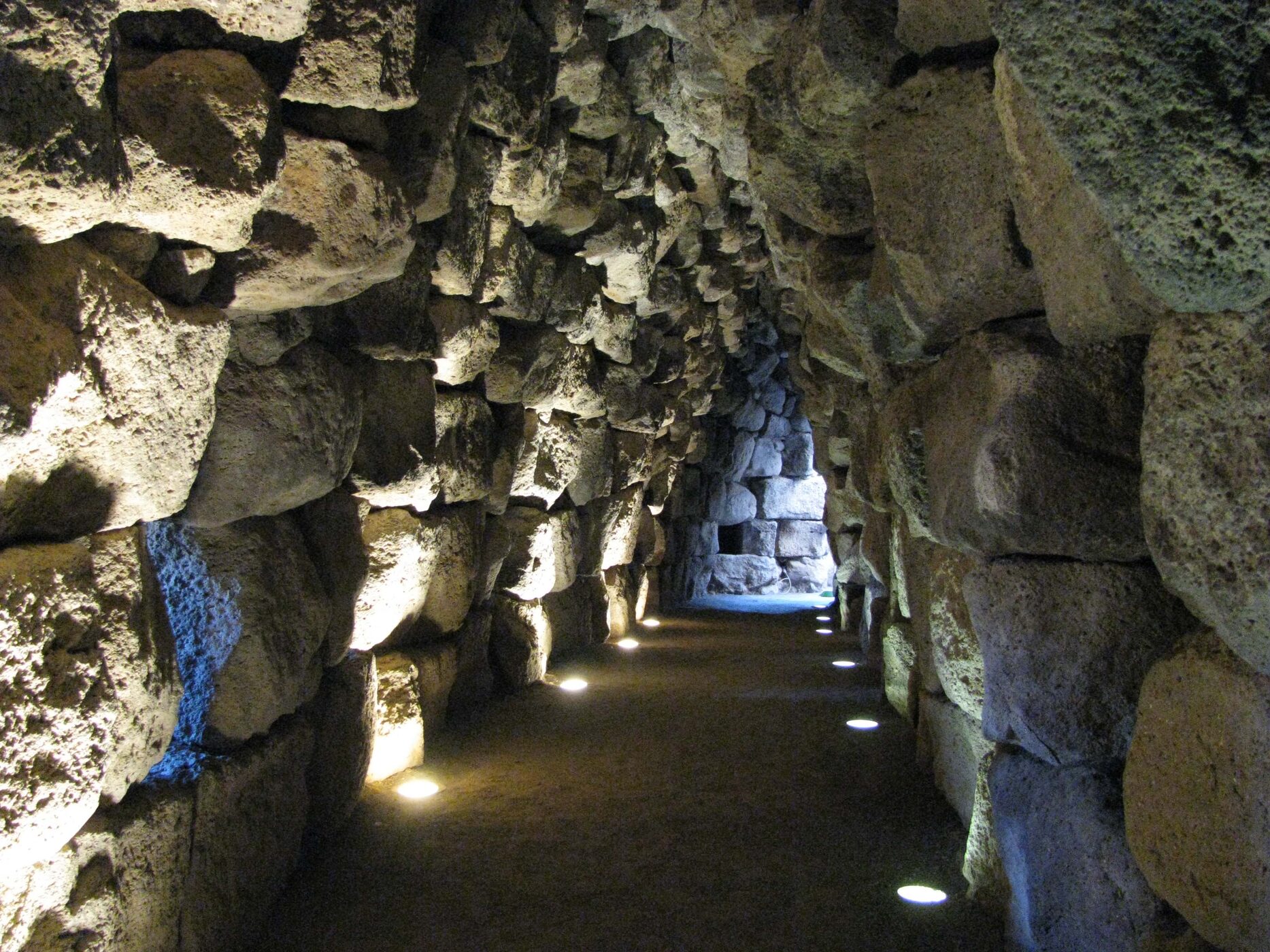
Nuraghe Losa in Sardinia
One of the most original prehistoric civilisations in the Mediterranean

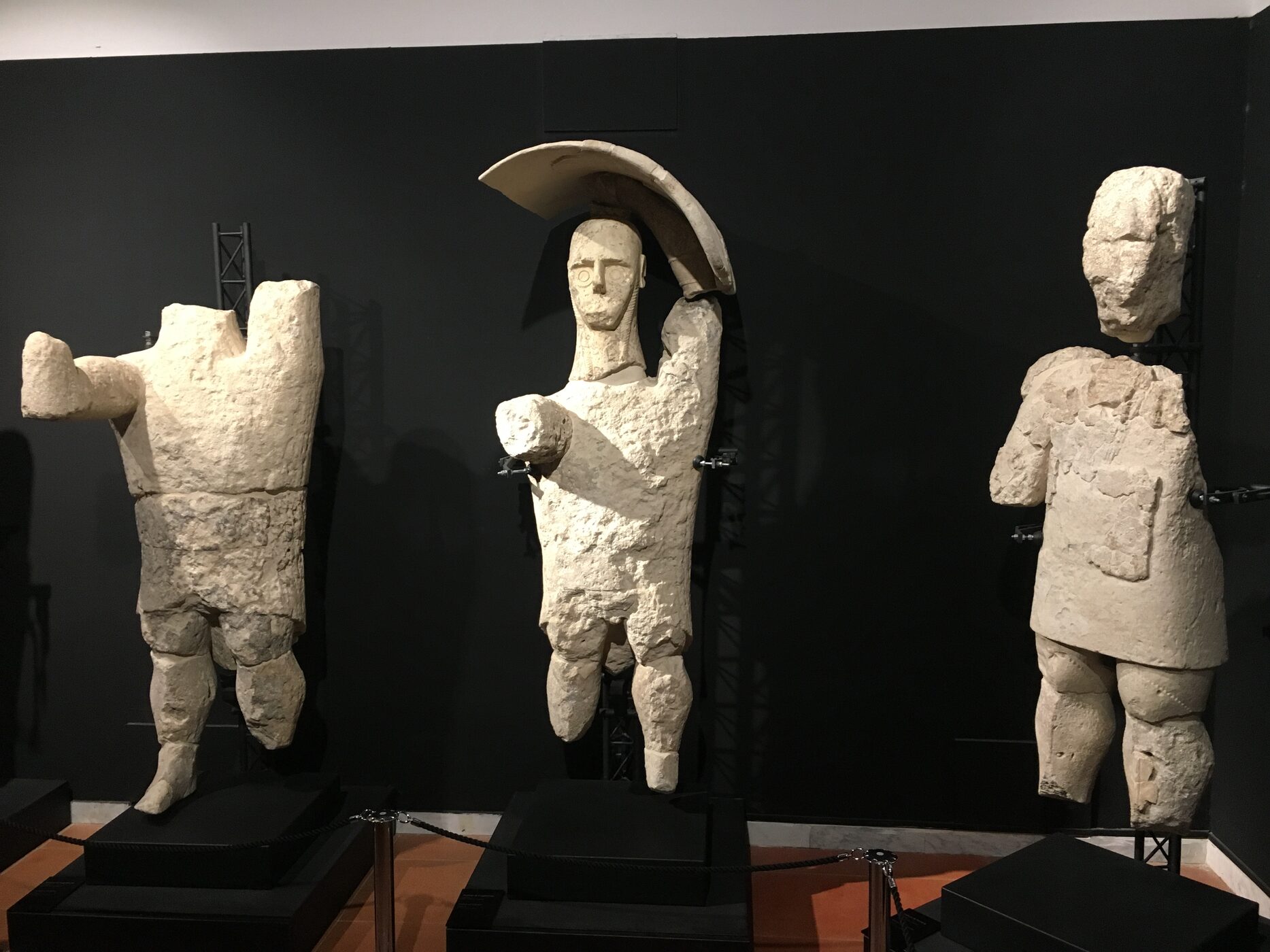
No nuragic civilisation exists outside Sardinia: the more than 7,000 stone towers scattered across the island, built starting around 1800 BC, tell the story of an organised, complex society still largely undeciphered. Su Nuraxi di Barumini has been a UNESCO World Heritage Site since 1997.

🏛️ Nuraghi recorded: over 7,000
🎵 Tenore singing: UNESCO heritage since 2005
🎭 Barbagia carnival: January–February

A civilisation of 7,000 nuraghi

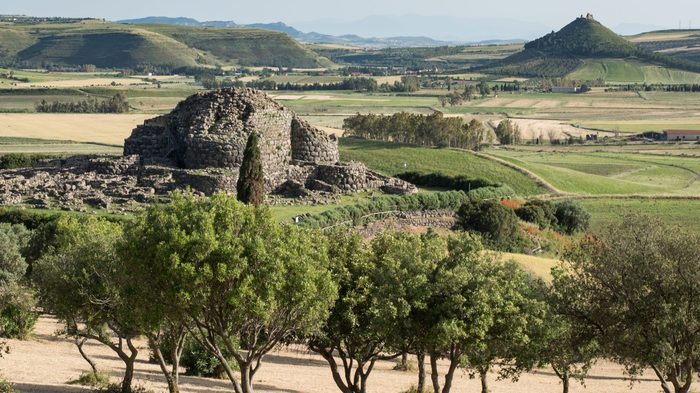
Nuraghi, truncated cone-shaped towers built from dry stone blocks, are the most recognisable symbol of ancient Sardinia. Over 7,000 have been recorded across the island, evidence of a civilisation spread capillary across the territory between the Bronze and Iron Ages. The Su Nuraxi complex, near Barumini, was the first Sardinian site to enter the UNESCO World Heritage list, in 1997.

Masks and rites of the Barbagia carnival

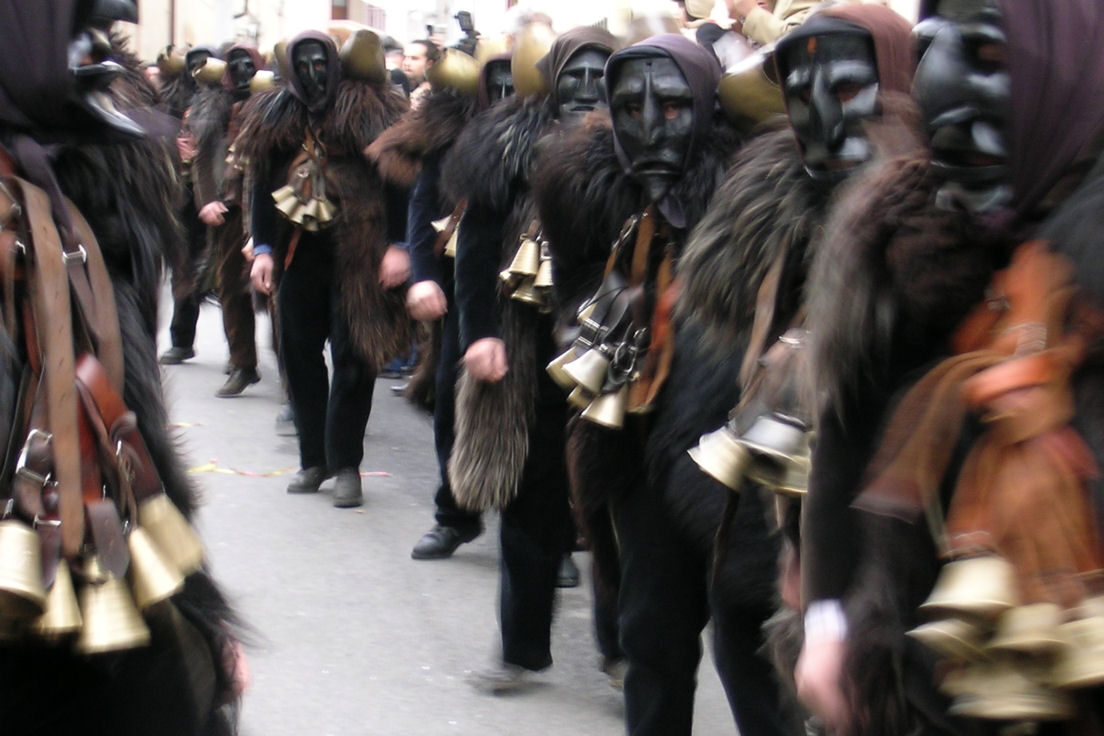
The wooden masks of the Mamuthones, accompanied by the Issohadores, parade every year during the Mamoiada carnival in one of the oldest and most studied pastoral traditions in Sardinia, likely of pre-Christian origin. Similar rites, with their own masks, take place in other Barbagia villages such as Ottana (Boes e Merdules) and Orotelli. We also cover this on our Central Sardinia page, where these rites originate.

The main festivals and events

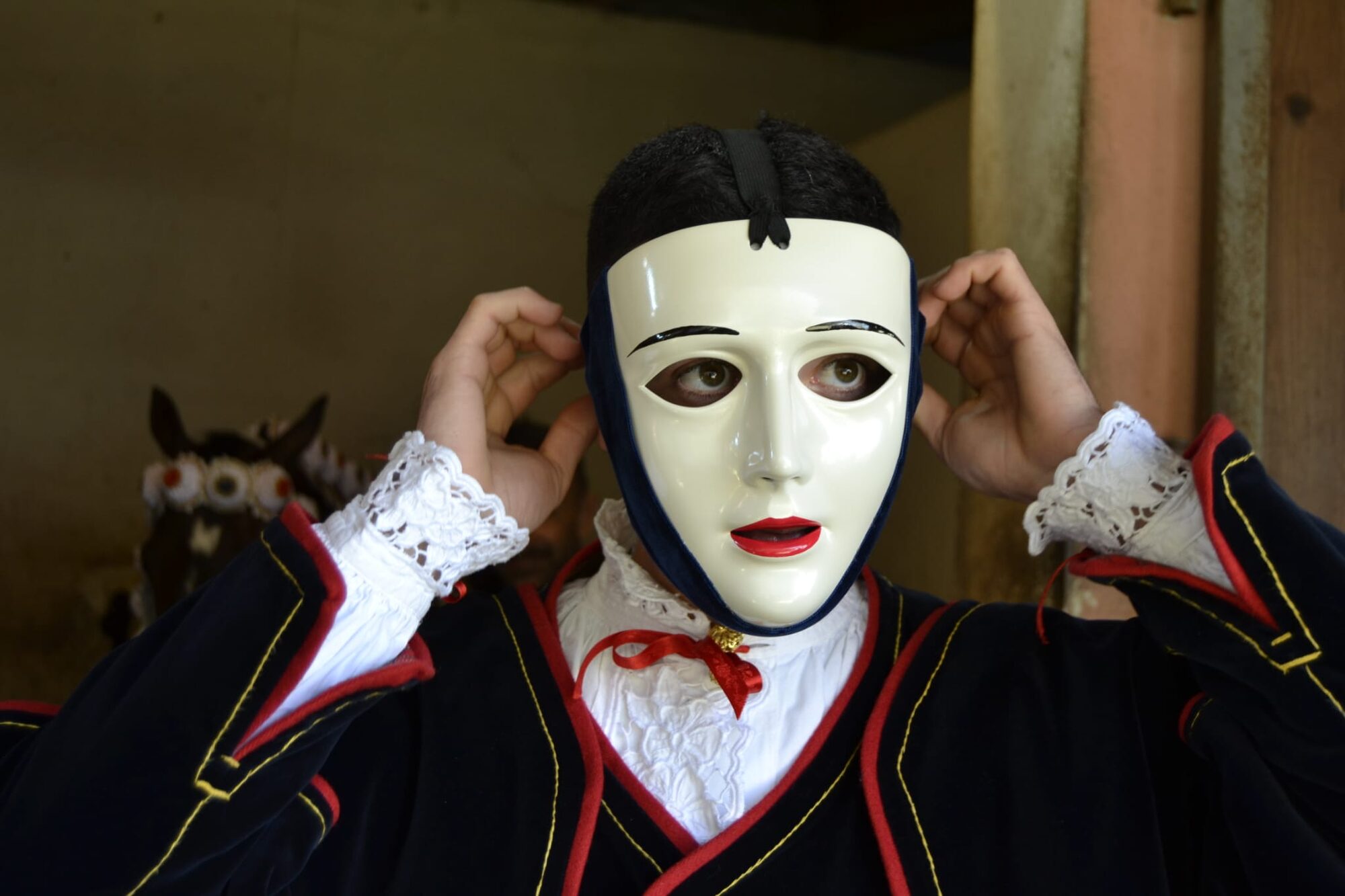
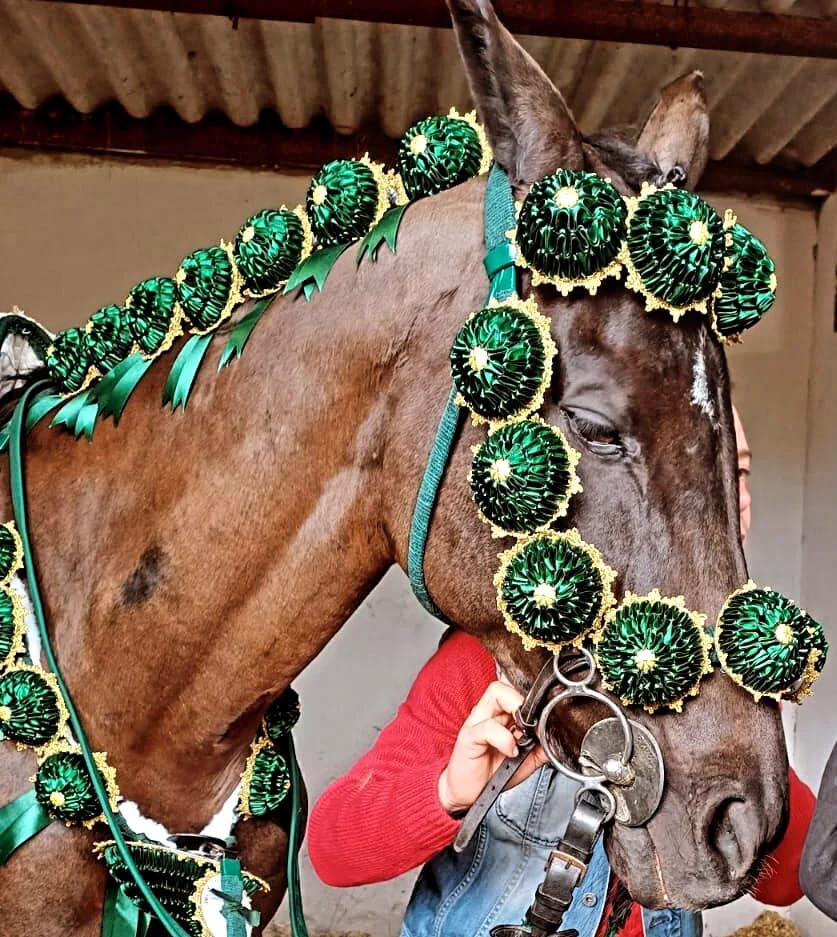
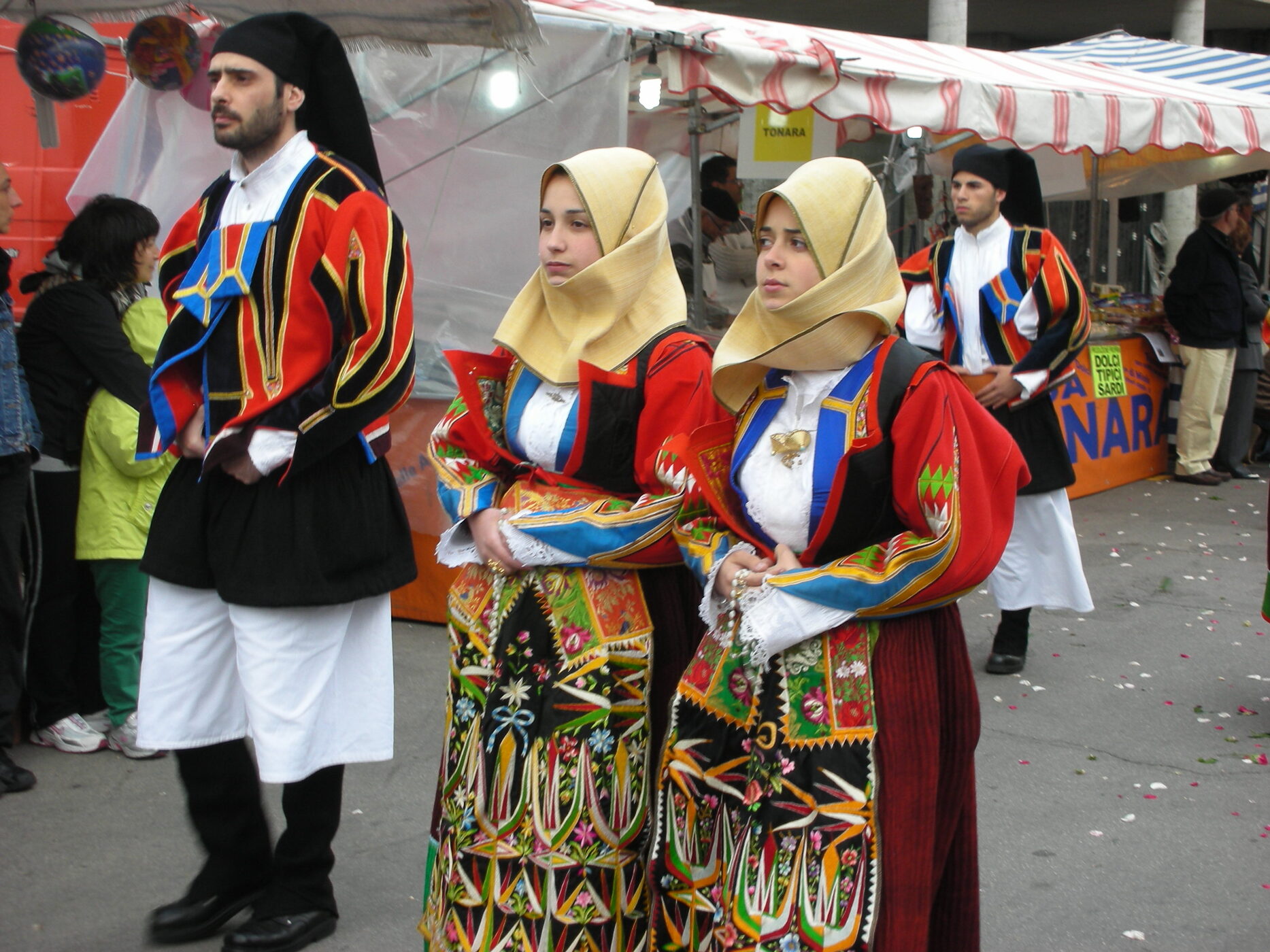
The Sardinian calendar is marked by festivals handed down for centuries: the Feast of Sant'Efisio in Cagliari, on 1 May, is one of the longest religious processions in Europe, with over 4,000 participants in traditional dress. The Cavalcata Sarda, in Sassari in late May, brings together horsemen and costumes from across the island. From September to December, Autunno in Barbagia brings a different Barbagia village to life every weekend with crafts, tastings and folk music – a genuine opportunity to discover inland villages outside the summer season.

Tenore singing and the Sardinian language

Tenore singing, a form of four-voice vocal polyphony (bassu, contra, boche and mesu boche), was recognised by UNESCO as an Intangible Cultural Heritage of Humanity in 2005. Sardinian, recognised as a minority language, is still spoken daily across much of the inland villages, with distinct dialect variants between the north and south of the island.
Practical information
Good to know about Sardinian culture

Good to know

🏛️Su Nuraxi di Barumini is Sardinia's only UNESCO World Heritage Site, since 1997.
🎭The Barbagia carnival is concentrated in January and February: plan ahead if it interests you.
🎉Autunno in Barbagia brings a different village to life each weekend, from September to December.
🎵Tenore singing has been UNESCO Intangible Heritage since 2005.

Discover Sardinian culture with a local guide

Tours between nuragic sites, villages and traditional festivals, tailored to your dates: tell us what interests you most.

💬 Message us on WhatsApp 📋 Request an itinerary
Keep exploring
Keep exploring Sardinia
Sea and Beaches

Sea & Beaches

Almost 1,900 km of coastline, no two stretches alike.

Food and Wine

Food & Wine

Wines, cheeses and traditional Sardinian dishes.

Central Sardinia

Central Sardinia

Barbagia, Supramonte and nuragic civilisation.