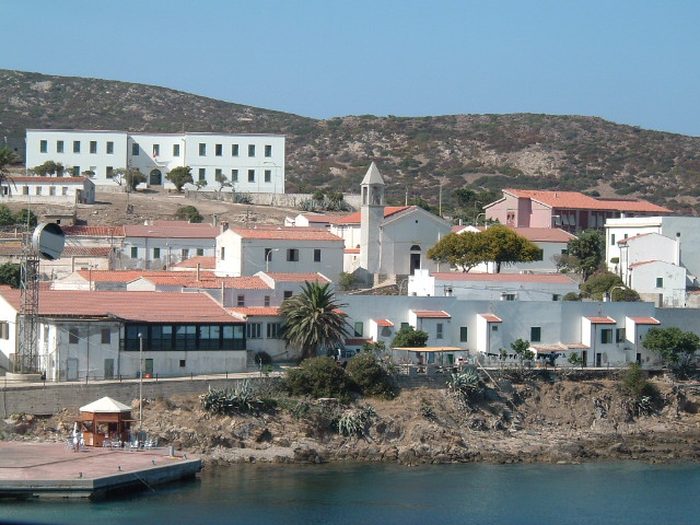
A coastline that changes character every few kilometres
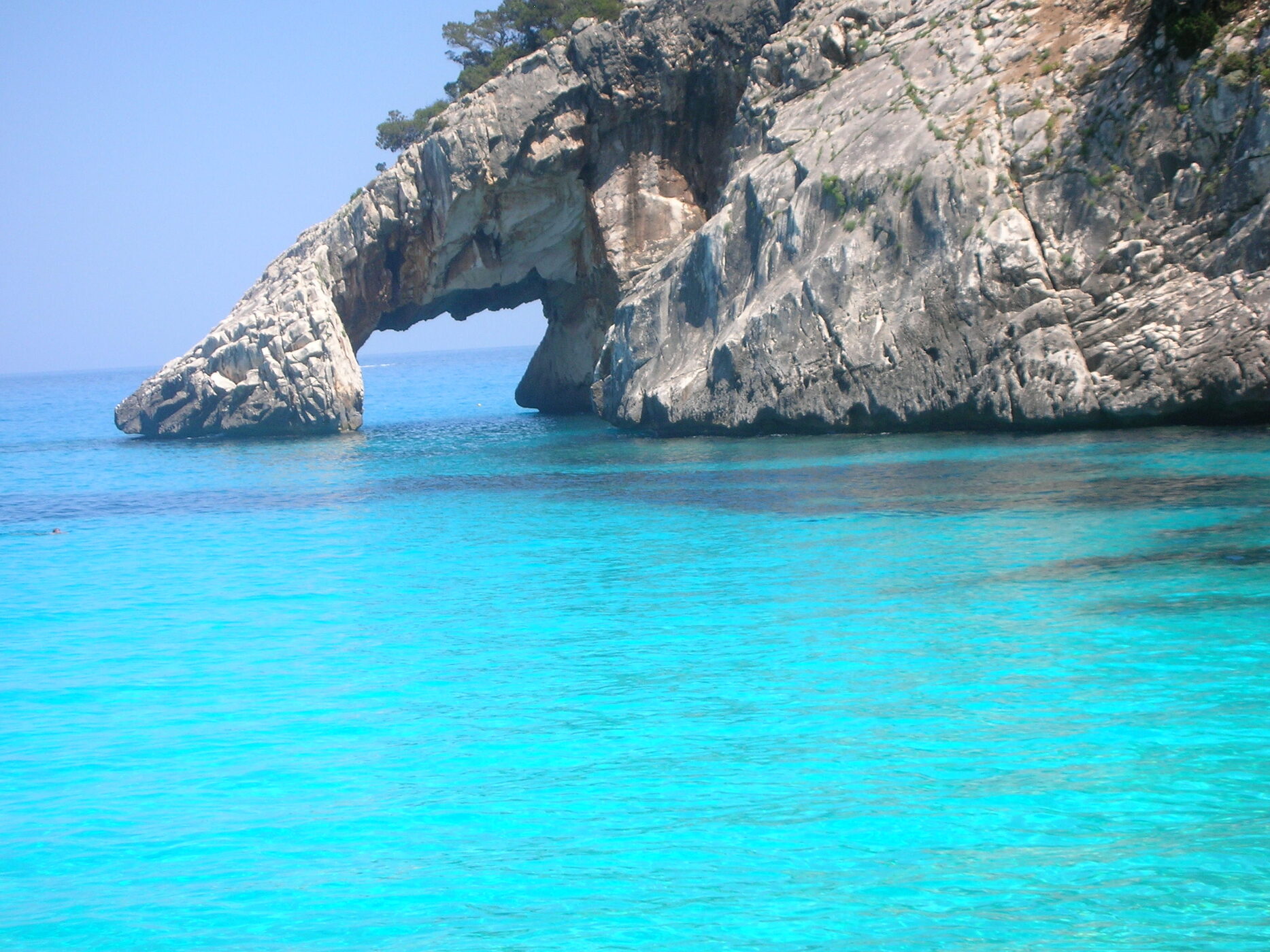
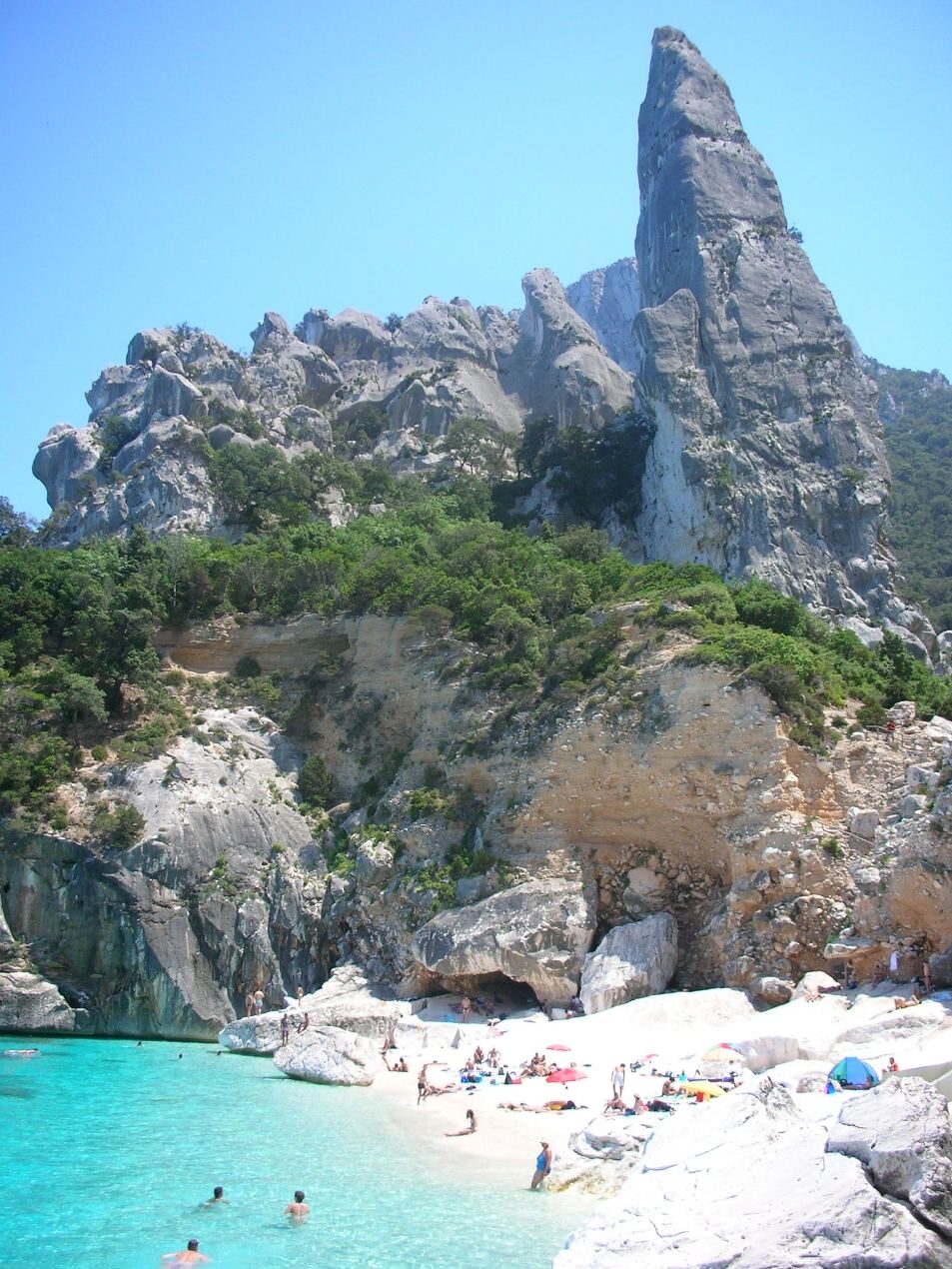
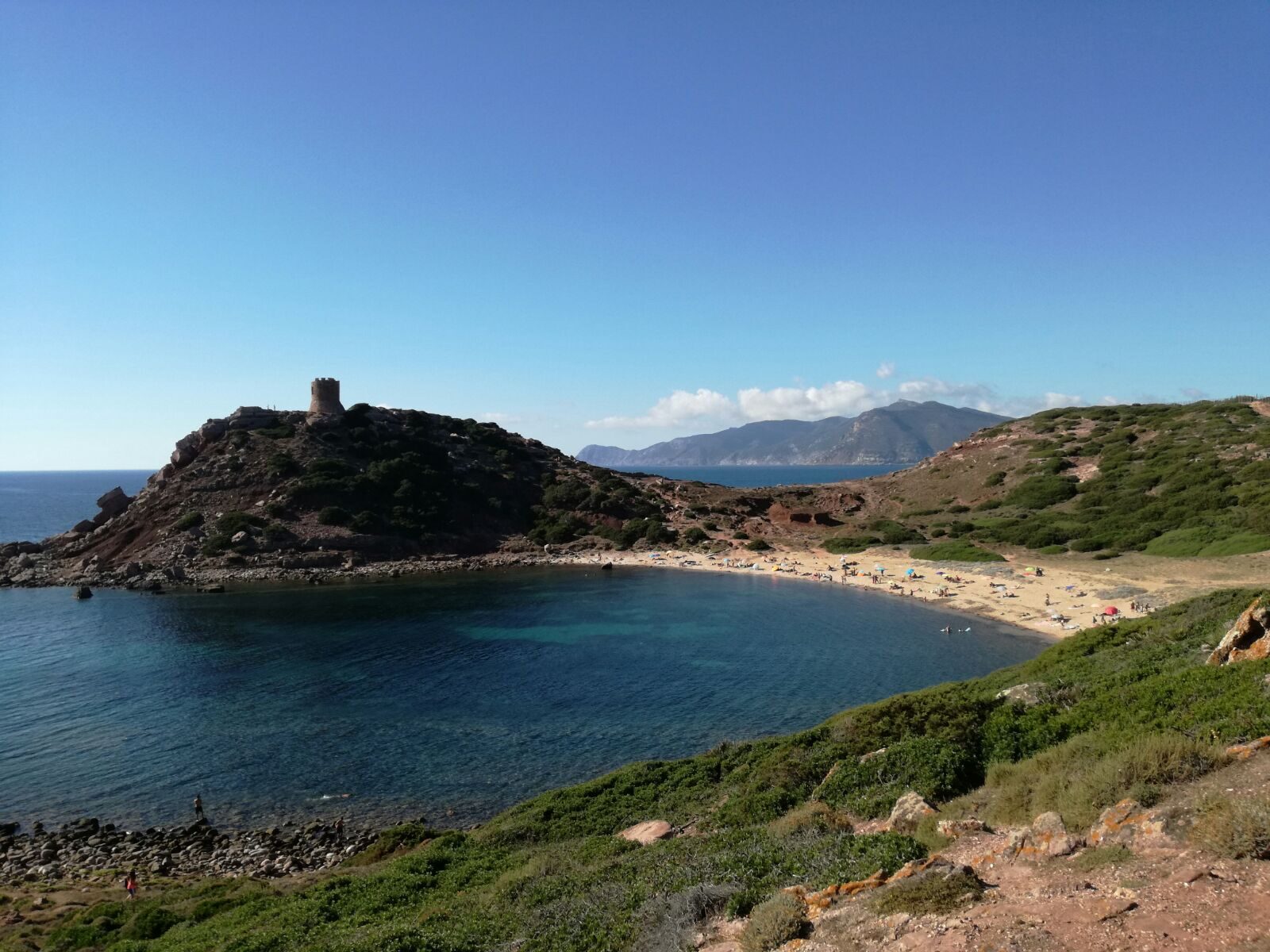
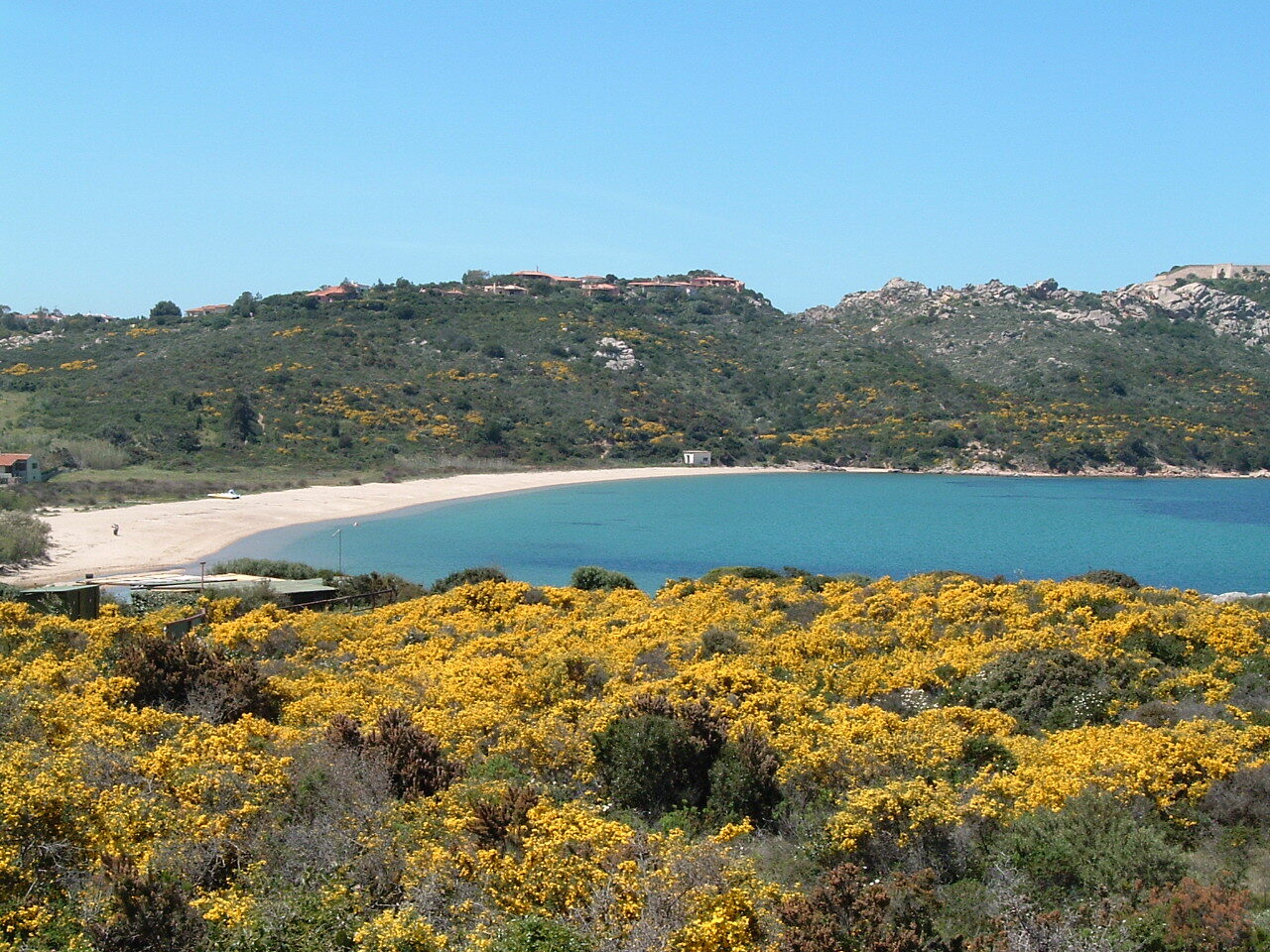
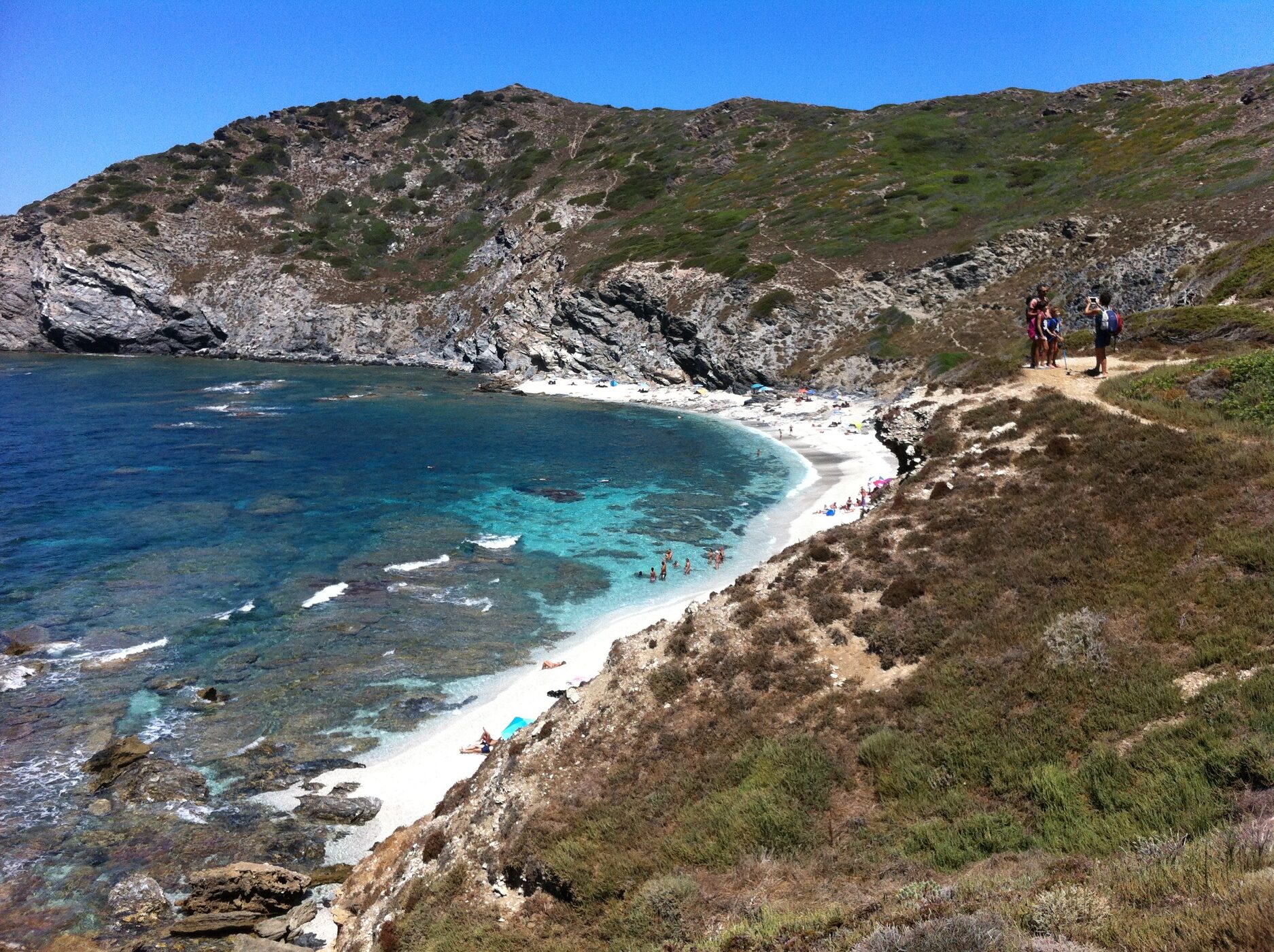
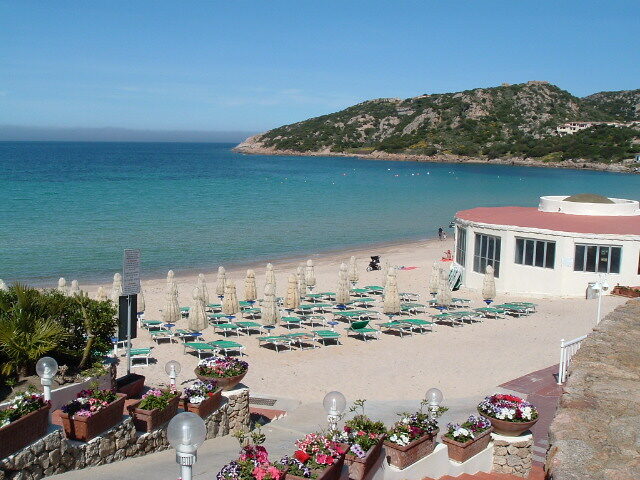
There's no single "Sardinian sea": the north coast, between Alghero and Gallura, alternates limestone coves with pink granite cliffs sloping into turquoise water. The south coast, around Cagliari and towards the Iglesiente, offers long fine-sand beaches like Chia and Tuerredda, alongside an industrial coastline unique in Europe. The smaller islands – La Maddalena, Asinara, Tavolara, Sant'Antioco and San Pietro – hold some of the most photographed beaches in the Mediterranean, often reachable only by boat.
For more detail zone by zone, our destination pages cover the best beaches and coastline of North Sardinia, South Sardinia and the Sardinia Islands.
Water colour and beach types
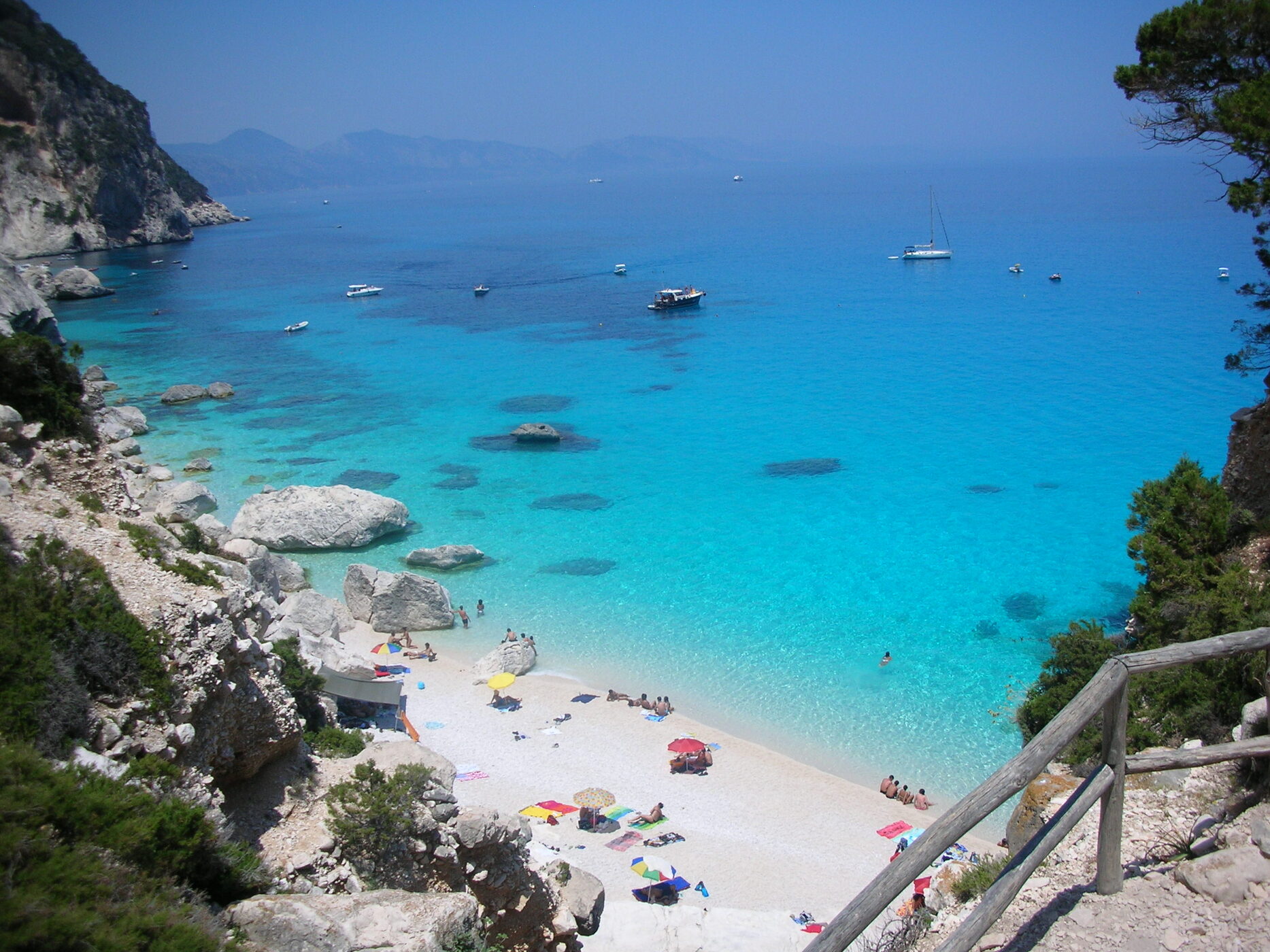
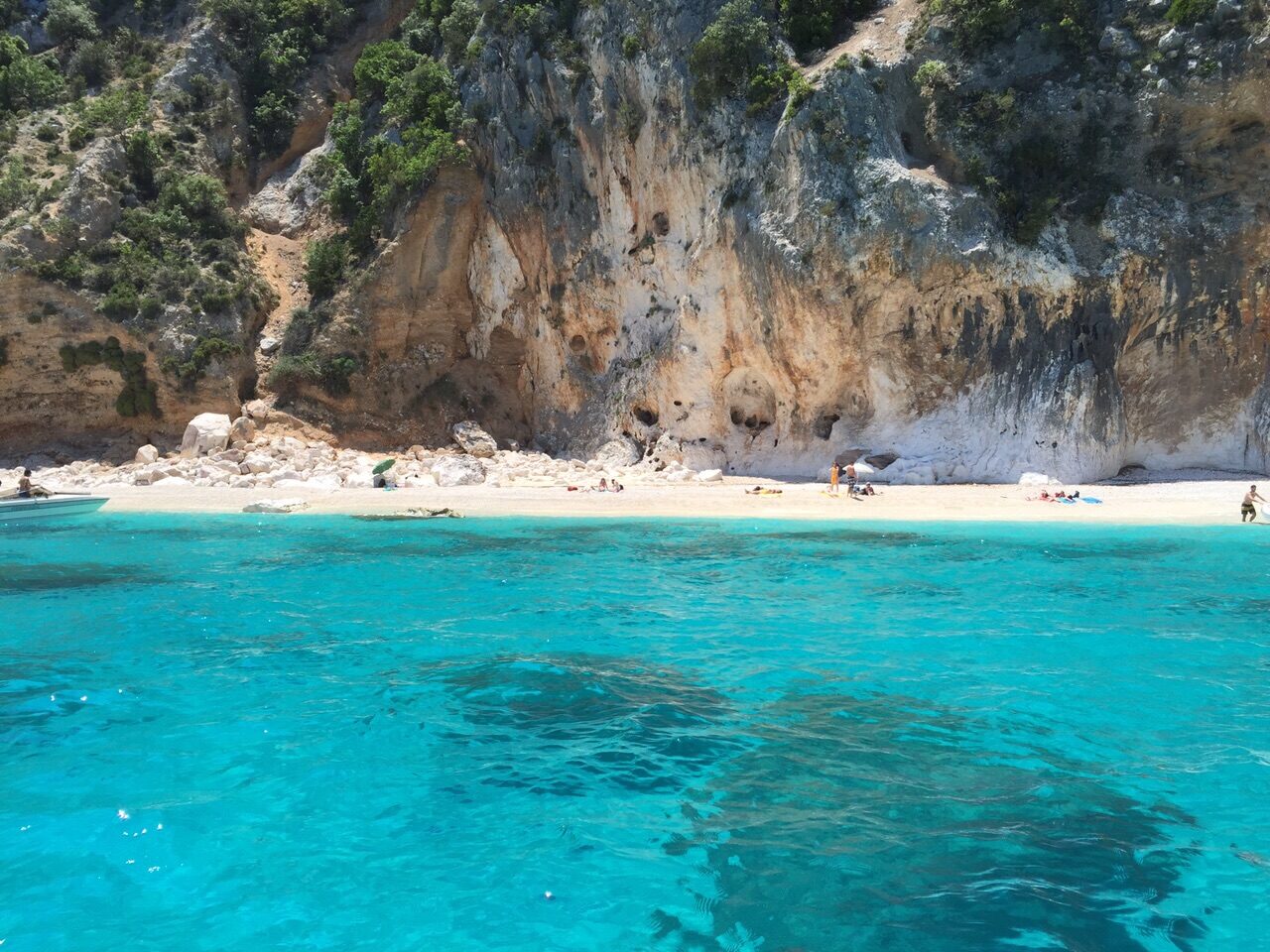
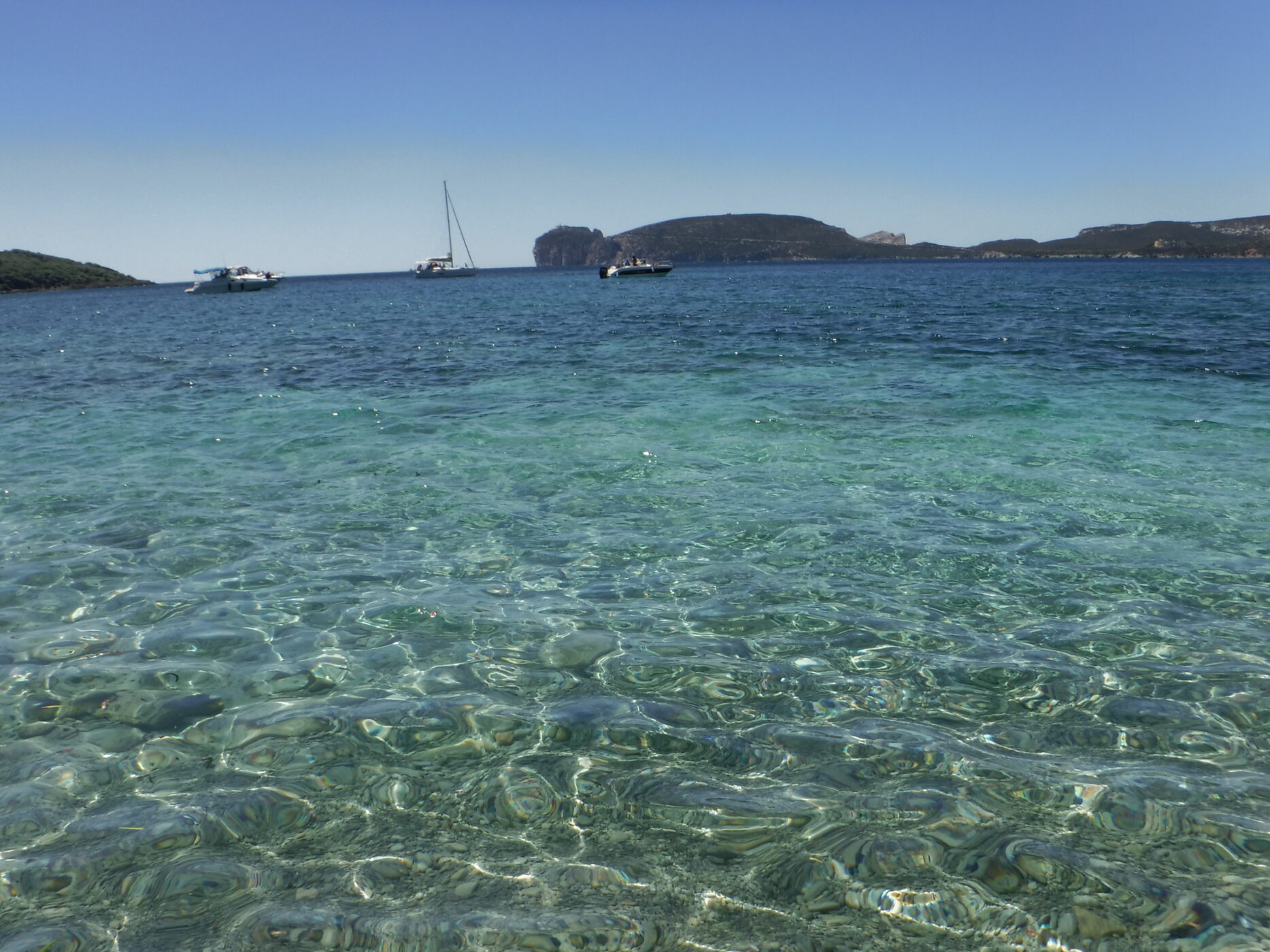
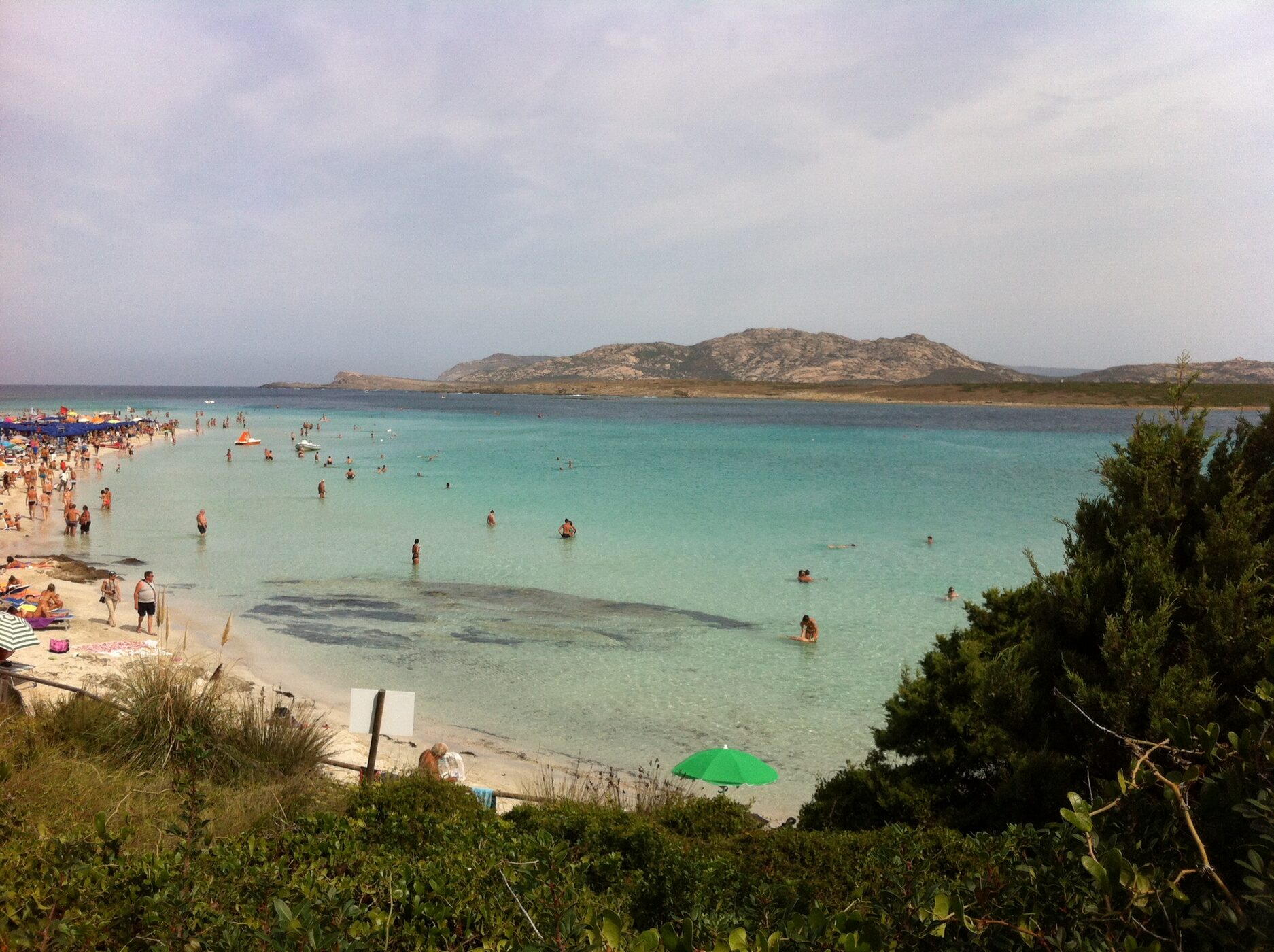
The clarity of Sardinian water largely depends on the seabed composition: where the sand is white and fine, as at Is Arutas or La Pelosa, the sea takes on almost Caribbean turquoise tones. Where the seabed is rocky or covered in posidonia, the colour shifts to deep blue. The pink granite beaches of Gallura and La Maddalena offer a unique contrast between rock, Mediterranean scrub and crystal-clear water.
When to go for the sea
June and September remain the most balanced months: the sea is already warm (or still warm) and crowds are lower than in July and August. In May the water is still cool (17–19°C), while in September it often exceeds 24°C thanks to the summer heat build-up. We cover this in more depth in our article on when to visit Sardinia.
How to experience the sea in Sardinia
Beyond swimming from the beach, the most authentic way to discover the coast remains the sea itself: a boat trip reaches coves otherwise inaccessible, allows stops for snorkelling in protected waters, and offers views of the coast impossible to get from land. Whether it's half a day by motorboat or a full-day catamaran excursion with a sunset aperitif, the Sardinian sea is best experienced from the water.