🧭 South Sardinia

South Sardinia
Cagliari, beaches and industrial heritage

Cagliari's Castello district, the beaches of Chia and Nora, the Iglesiente Mining Coast and the wines of Sulcis: the south of the island combines historic towns, still uncrowded coastline and a mining heritage unique in Europe.

🏛️ Cagliari and the Castello 🏖️ South Coast and Chia ⛑️ Iglesiente and the Mining Coast 🍷 Sulcis wines
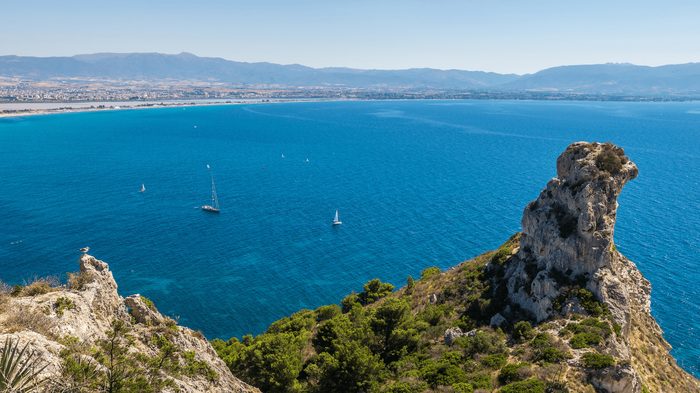
Sella del Diavolo and the Gulf of Cagliari
From Cagliari to the Iglesiente, between city, coast and mines

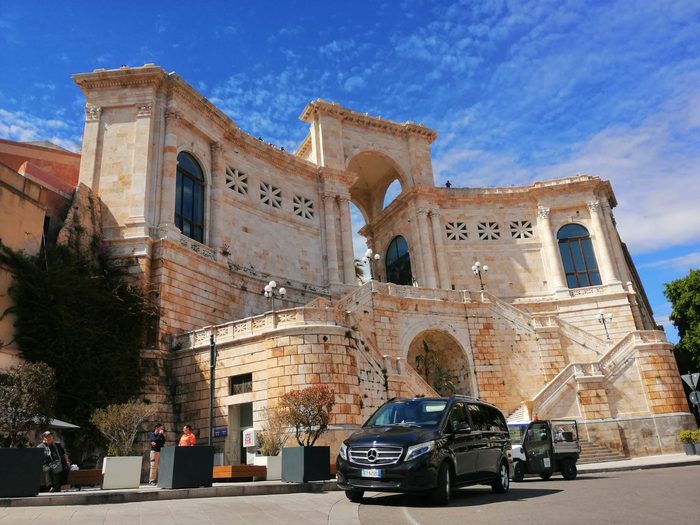
Cagliari dominates the south of Sardinia from the Castello, the fortified quarter overlooking the Gulf of Angels. From the city, both the Poetto seafront and the South Coast – with the beaches of Chia, Tuerredda and the ruins of the ancient Phoenician-Roman city of Nora, right on the sea – are less than an hour away.

Further west, the Iglesiente tells a different Sardinia: the Mining Coast, recognised as a UNESCO Geopark, preserves abandoned mining villages perched over turquoise water, such as Nebida and Masua. Inland, the Sulcis produces Carignano, one of the island's most distinctive red wines, and looks out over the islands of Sant'Antioco and San Pietro.

📍 Airport: Cagliari-Elmas
📅 Best time to visit: April–June and September–October
Recommended base: Cagliari
What to see
The landmarks of South Sardinia

From Cagliari to the Iglesiente, a territory that combines sea, archaeology and industrial heritage.

Sella del Diavolo, Gulf of Cagliari
🏖️ Viewpoint

Cagliari and the Sella del Diavolo

The limestone headland closing the Gulf of Cagliari to the east offers one of South Sardinia's best-known views, overlooking Poetto beach and the Molentargius wetland, home to pink flamingos. The Castello district, a little further north, holds Spanish bastions and an old town facing the sea.

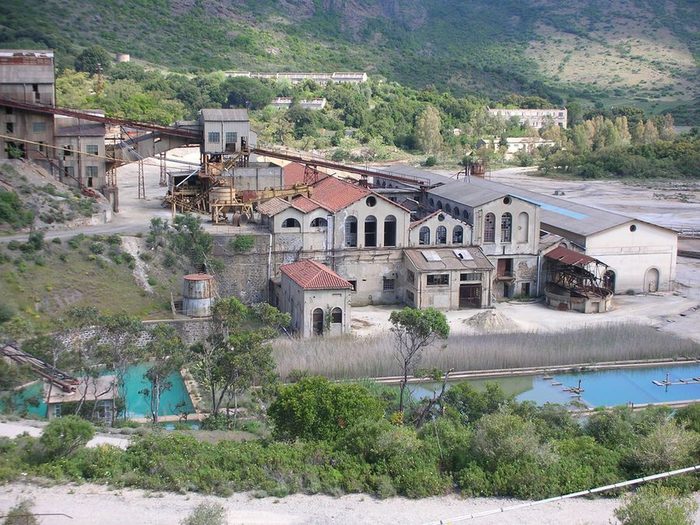
Montevecchio mine, Iglesiente
⛑️ Industrial heritage

The Mining Coast and Montevecchio

For over a century, the Iglesiente was one of Europe's main mining basins. Today mining villages such as Montevecchio, Nebida and Masua can be visited among industrial buildings perched over the cliffs, with the sea having reclaimed much of the landscape.

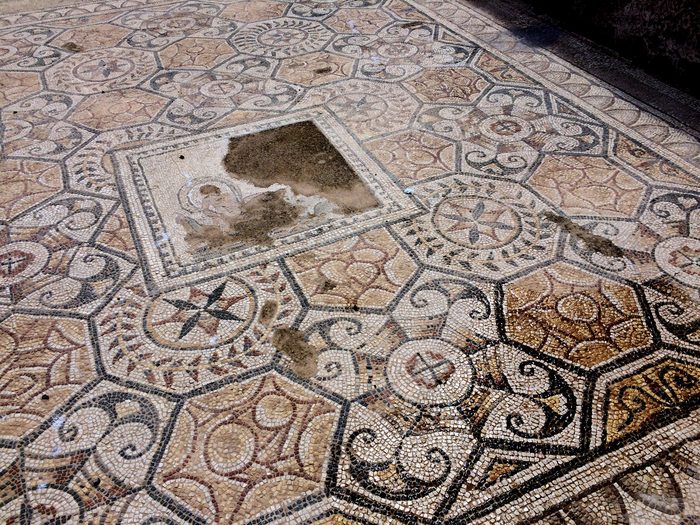
Roman-era mosaic floor
🏛️ Archaeology

Nora and the Phoenician-Roman heritage

On the Pula peninsula stands Nora, one of Sardinia's best-preserved ancient cities: founded by the Phoenicians and expanded under Roman rule, it's visited walking among mosaics, baths and a theatre facing directly onto the sea.

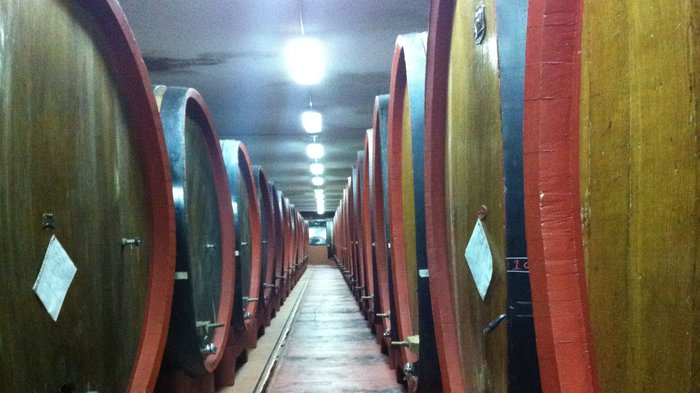
Historic Sulcis winery
🍷 Food & wine

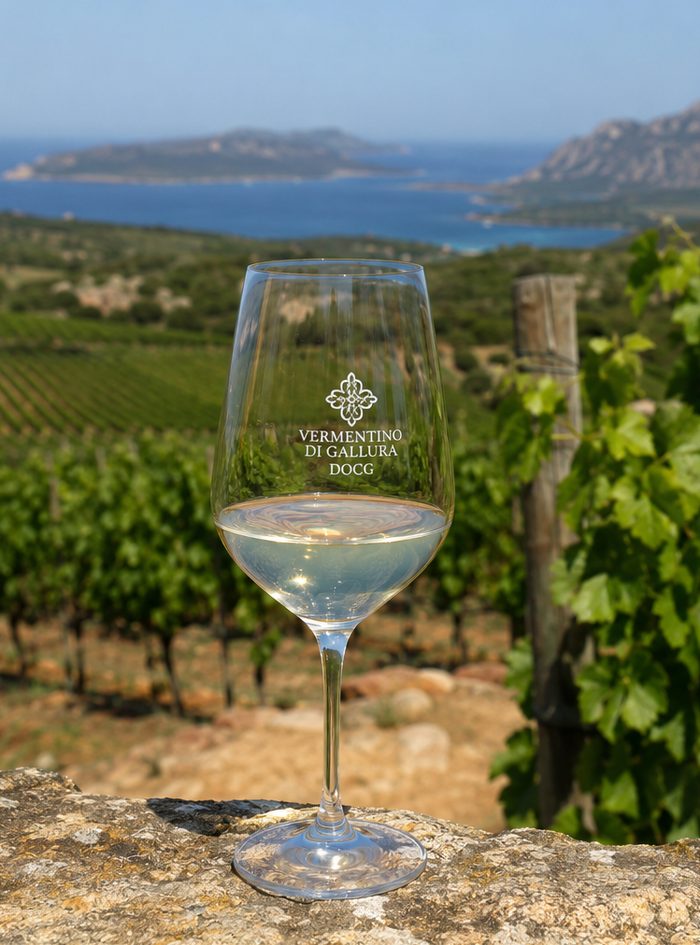
Sulcis wines and Carignano

The bush-trained vines of Sulcis, some among the oldest in Europe by plant age, produce Carignano del Sulcis, a structured red that has become a reference point for Sardinian winemaking over the years. Local wineries are often visited alongside Nora and the Mining Coast.

Practical information
Planning your stay

Good to know before you go

✈️Cagliari-Elmas airport is the reference point for the whole south of the island.
🕑The Mining Coast needs at least a full day, between scenic roads and stops in the mining villages.
Sant'Antioco and San Pietro are reached by car and ferry: if the smaller islands interest you, see our Sardinia Islands page for details.
💵South Coast beaches remain accessible and uncrowded even in high season compared to the north-east.

Let's plan your South Sardinia itinerary

Archaeological tours, tastings at Sulcis wineries and transfers from Cagliari airport: send us your dates and we'll build the programme together.

💬 Message us on WhatsApp 📋 Request an itinerary
You may also like
Experiences in this area
Winery tastings

Winery tastings

Sulcis wines and other Sardinian denominations, with expert guidance.

Culture and traditions

Culture and traditions

The Phoenician-Roman and nuragic heritage of southern Sardinia.

Private transfers

Private transfers

Private transfers to and from Cagliari-Elmas airport.