Su Gorropu and the Supramonte
Considered one of the deepest canyons in Europe, with walls exceeding 400 metres, Su Gorropu is reached via a trek of several hours between the villages of Dorgali and Urzulei. It's the most sought-after destination for those looking for a demanding trekking experience in the heart of the Supramonte, the limestone plateau that dominates Central Sardinia. We cover it in more detail on our Central Sardinia page.
The Selvaggio Blu and coastal trails
The Selvaggio Blu, running along the coast of the Gulf of Orosei, is considered one of the most demanding treks in Italy: it alternates climbing sections, rope descents and walks along near-invisible trails, through a coastal landscape that has remained untouched. For those seeking a less extreme experience, the same area offers more accessible trails with equally spectacular views.
Parks and nature reserves
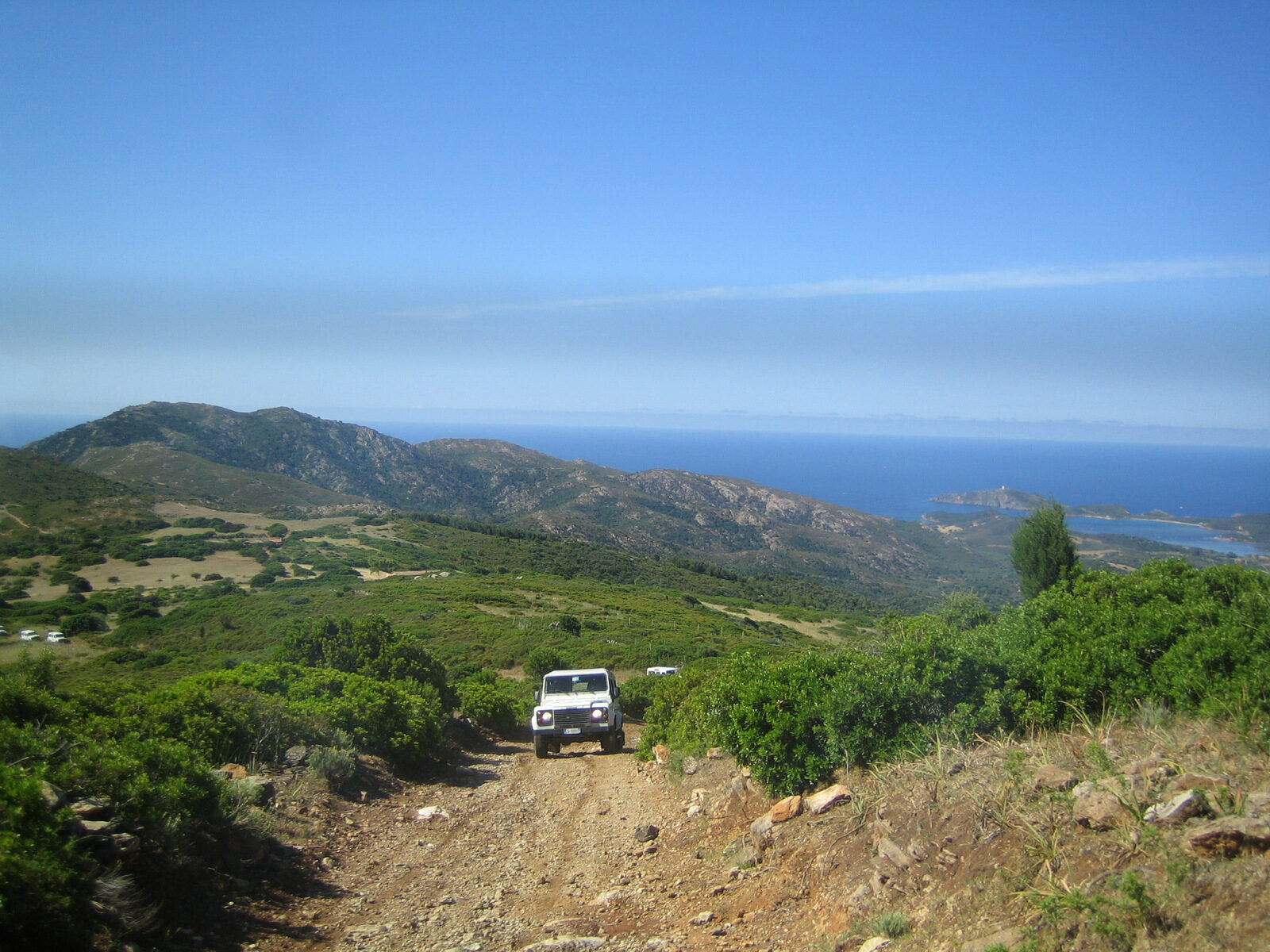
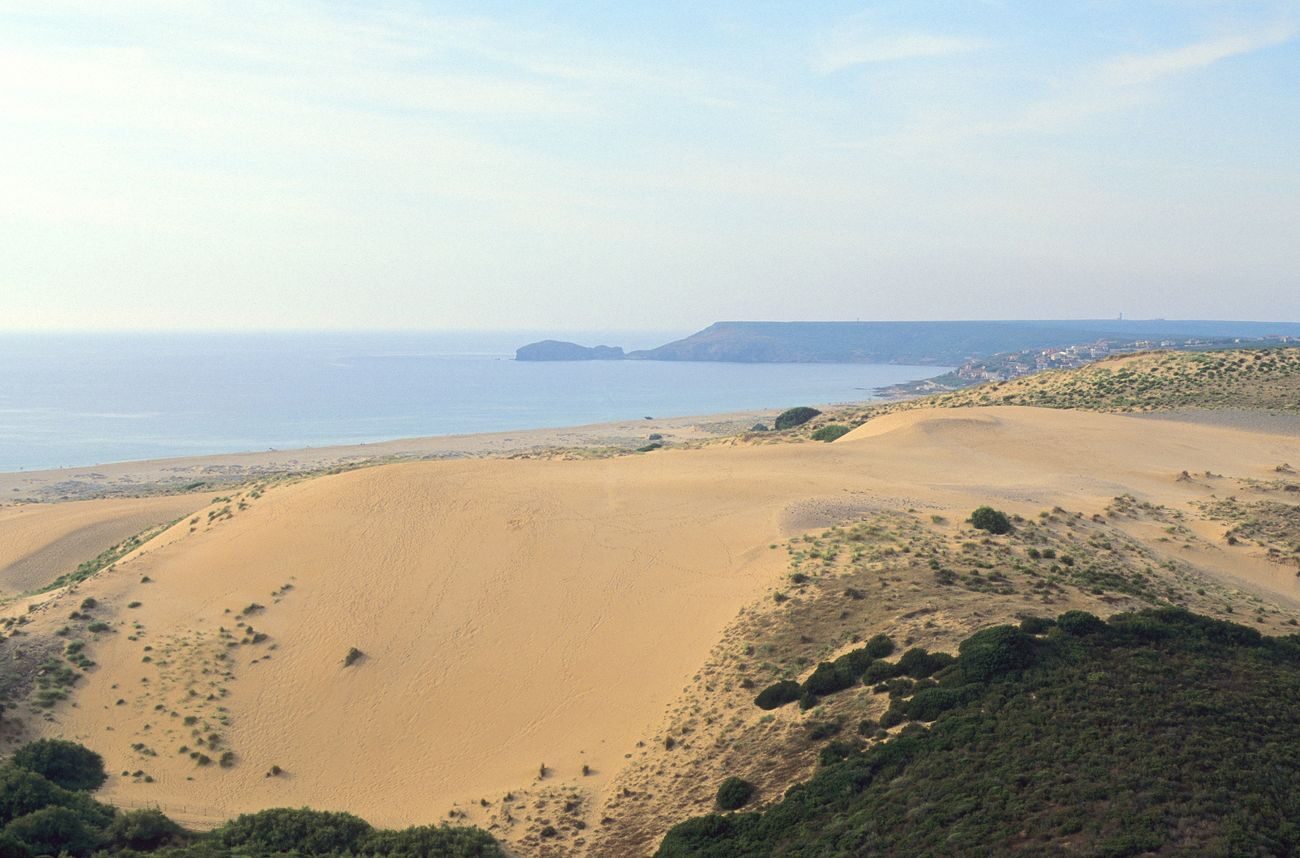
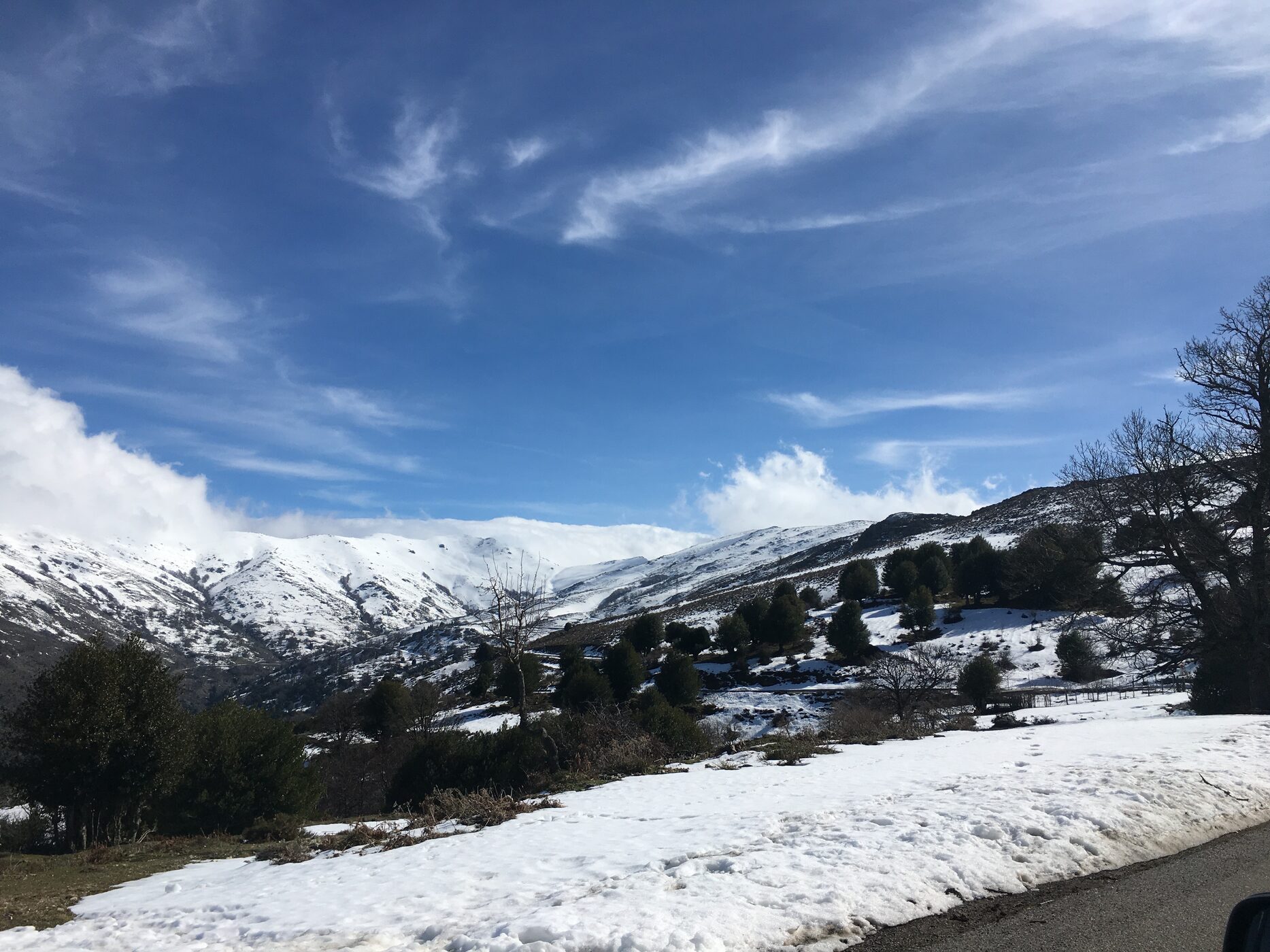
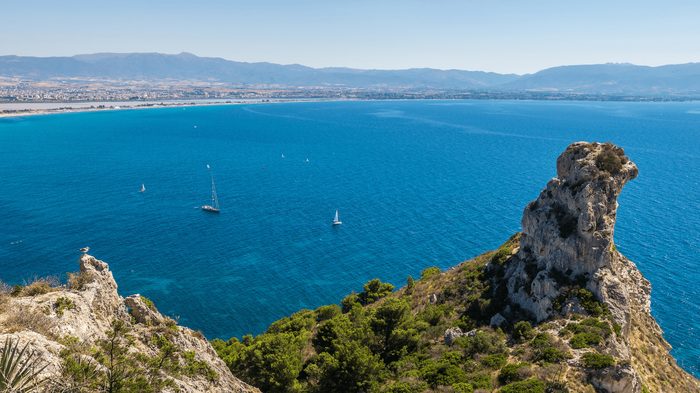
The Gennargentu National Park, never fully established in its original form but effectively protected through various regional reserves, safeguards the island's most extensive mountain range. To the north-west, Asinara National Park preserves an almost entirely uninhabited island, a former penal colony now a nature sanctuary. Along the east coast, the Gulf of Orosei alternates cliffs plunging into the sea with coves reachable only on foot via long hikes or by boat.
Wildlife and biodiversity
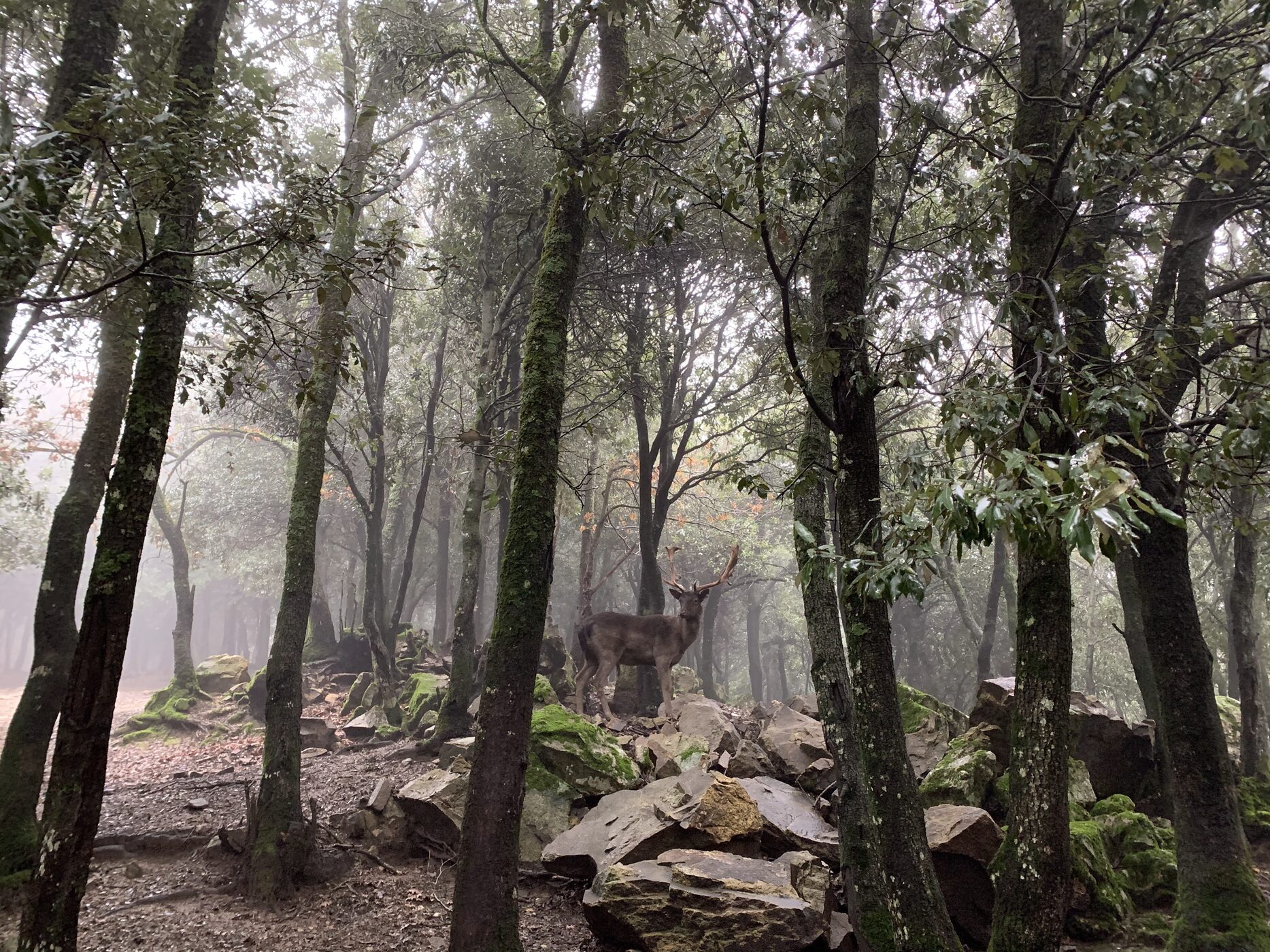
The mouflon, a symbol of Sardinian wildlife, inhabits the more remote areas of the Supramonte and the Gennargentu. In the skies above the central mountains, golden eagles and griffon vultures – successfully reintroduced in recent decades – can still be seen. On Asinara, the famous white donkeys, a subspecies unique in the world, roam freely across the island, now protected as a nature reserve.
How to experience nature in Sardinia
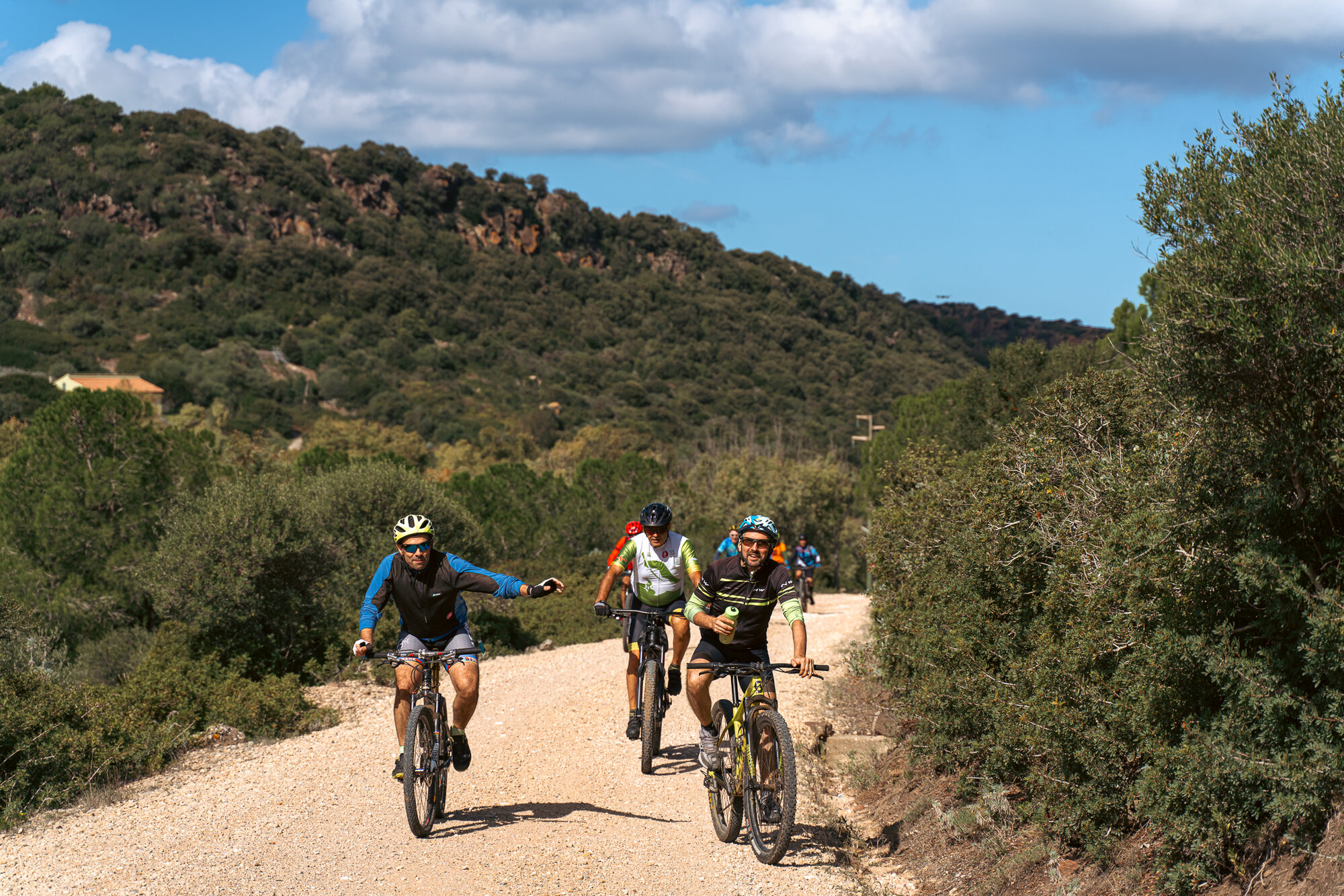
Half-day or multi-day treks with licensed environmental hiking guides for the more demanding routes such as Su Gorropu or the Selvaggio Blu; canyoning trips through the gorges of the Supramonte; mountain bike routes across inland trails. Every activity can be adapted to the group's fitness level.