Nuraghi, Phenician and Roman cities, Romanesque churches, painted villages and living traditions: Sardinia is one of the Mediterranean's richest open-air museums.
Sardinia isn't just the sea. It's an island that has lived through the entirety of human history, leaving extraordinary traces: nearly 7,000 nuraghi scattered across the land, prehistoric domus de janas, giants' tombs, Phoenician and Roman cities, Romanesque churches isolated in the countryside, intact medieval villages.
But Sardinian culture isn't just archaeology. It's also a vivid living tradition: the Mamuthones of Mamoiada, the Sartiglia of Oristano, the political murals of Orgosolo, village festivals where traditional costumes are still worn today with genuine pride.
With Sardinia Guide you visit it with people who truly know it: historical and environmental guides with years of experience on each individual site, able to tell you not just what you're seeing, but why it's there and what it means.
Each tour is built around a specific theme โ we can combine them into one or multi-day itineraries.
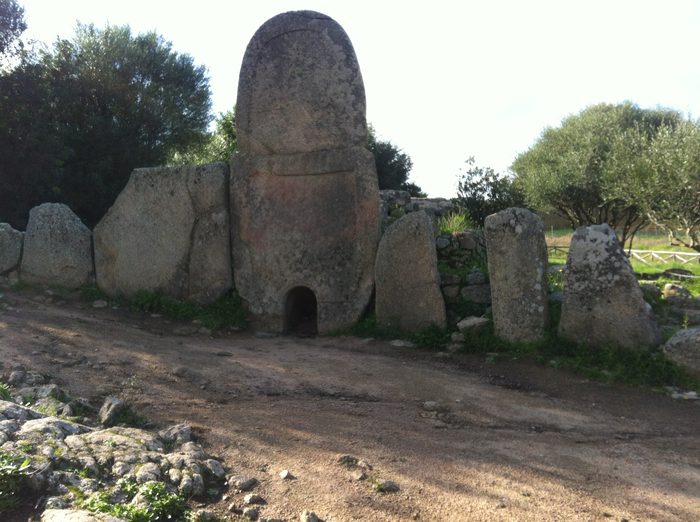
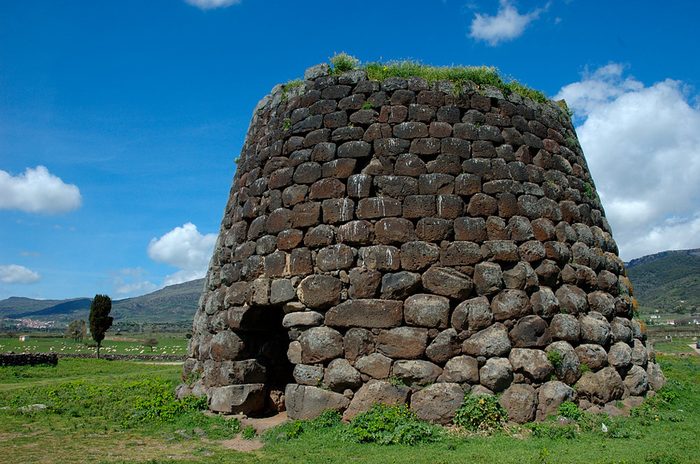
Nearly 7,000 nuraghi scattered across the island: towers of basalt stone built without mortar, more than 3,000 years ago. A mysterious people who left no writing but left architecture. We visit the most significant sites with certified archaeological guides.
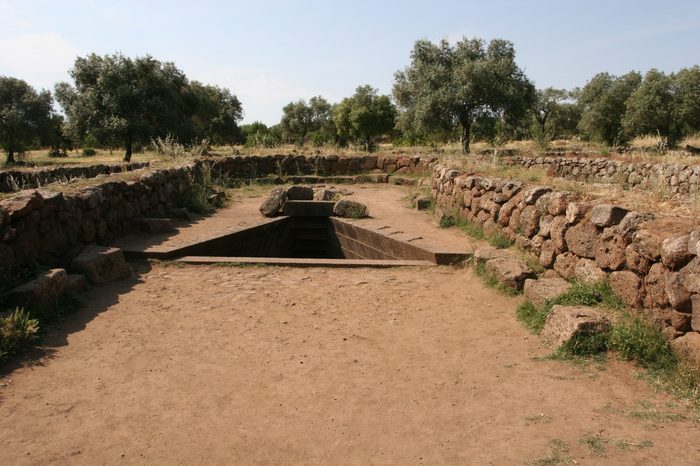
Masterpieces of prehistoric engineering: Sardinian sacred wells are temples dedicated to the cult of water, built with surprising astronomical precision. Giants' tombs are collective burial sites that still hold an extraordinary evocative power today.
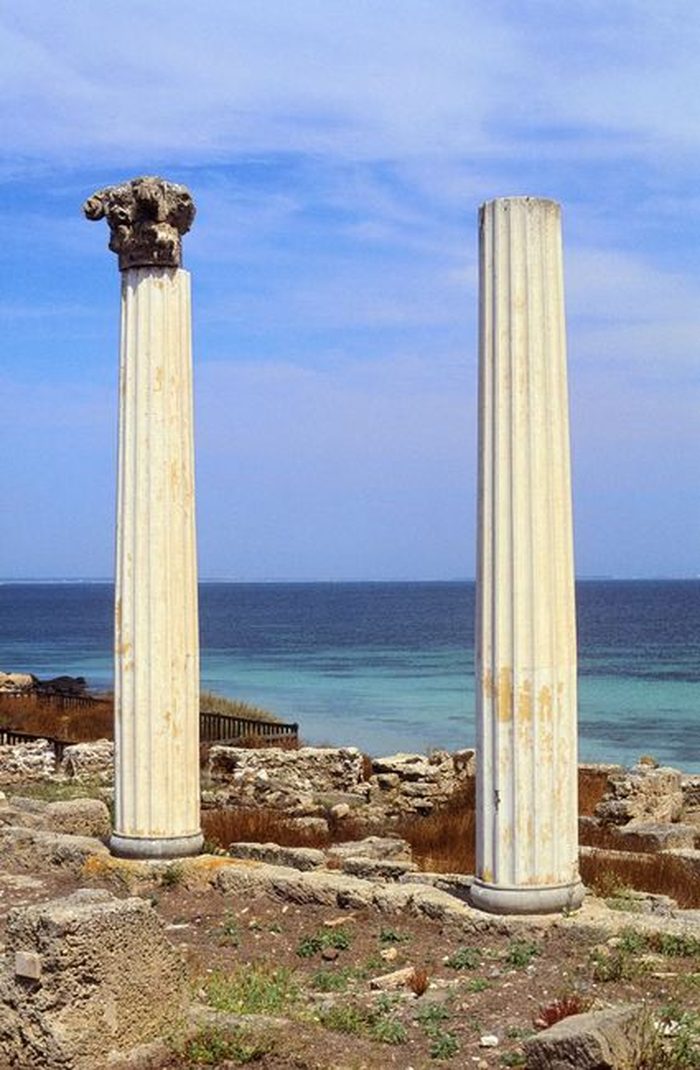
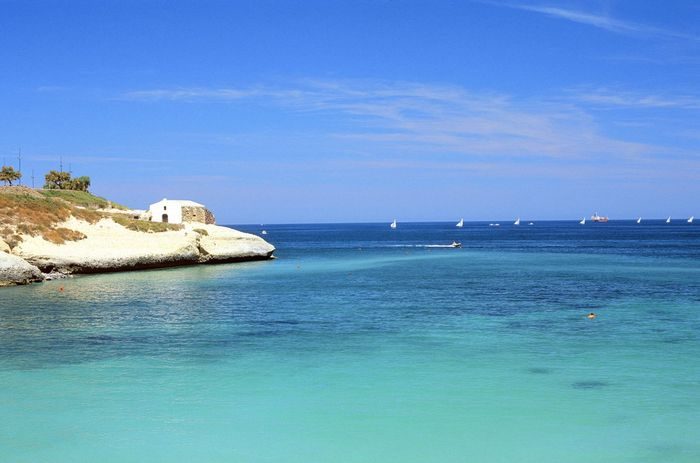
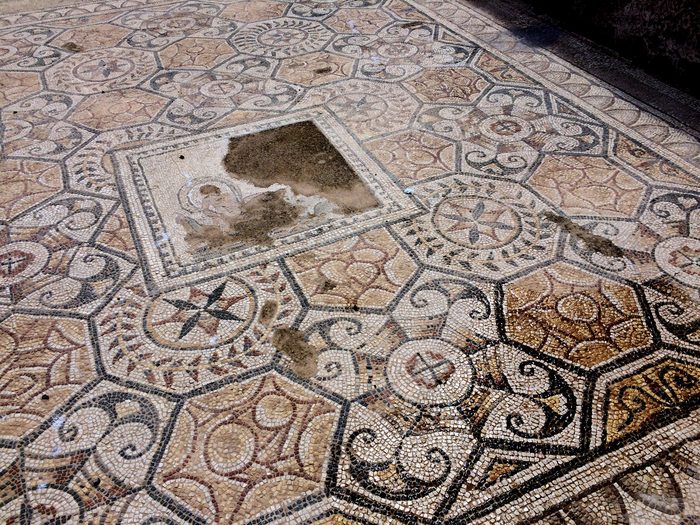
Tharros, Nora, Sulci: the cities founded by the Phoenicians and later conquered by Rome left extraordinary remains overlooking the sea. Columns, mosaics, baths, necropolises. A journey into classical antiquity against a unique Mediterranean backdrop.
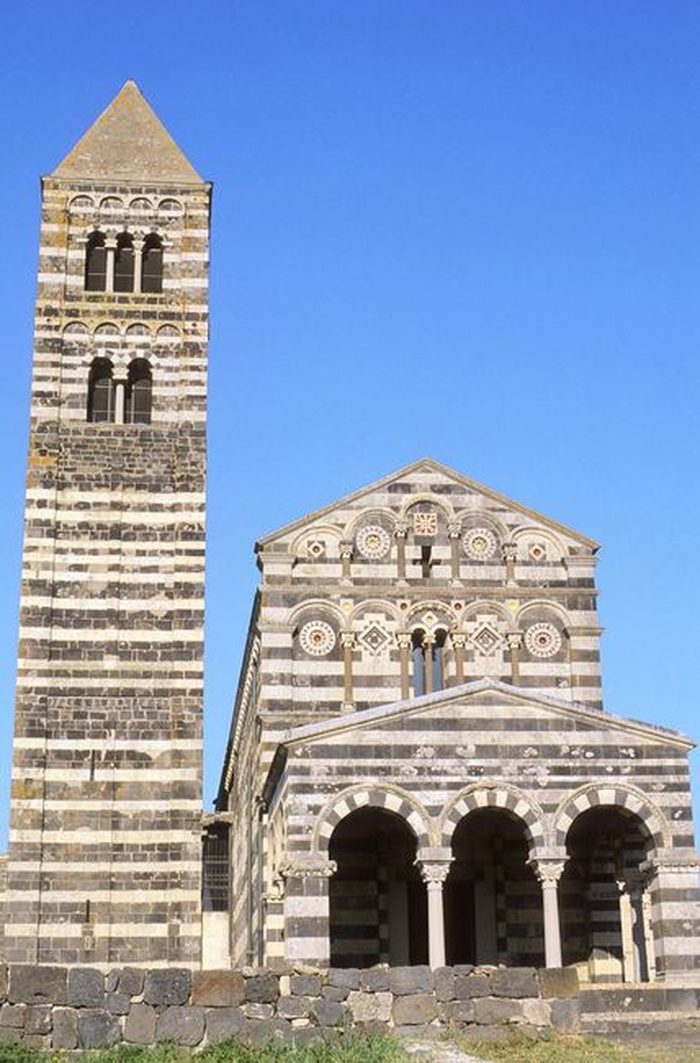
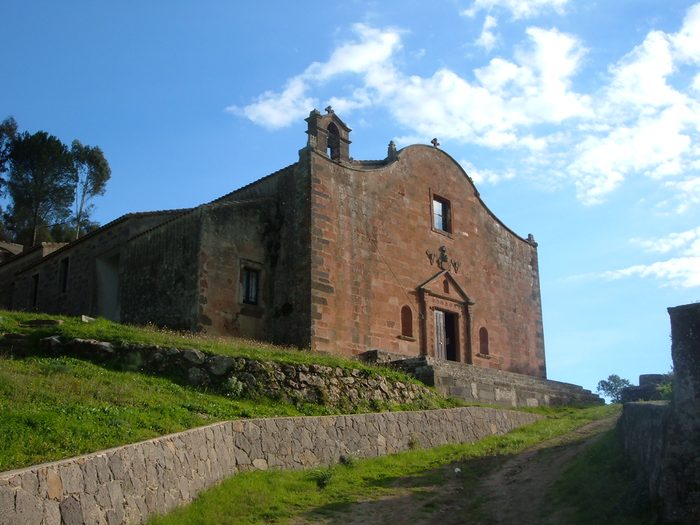
The Sardinia of the Giudicati left a Romanesque legacy of exceptional quality: the Basilica of Santissima Trinitร di Saccargia, the cathedral of Sant'Antioco di Bisarcio, dozens of churches isolated in the countryside. Stone worked with medieval elegance in unchanged landscapes.
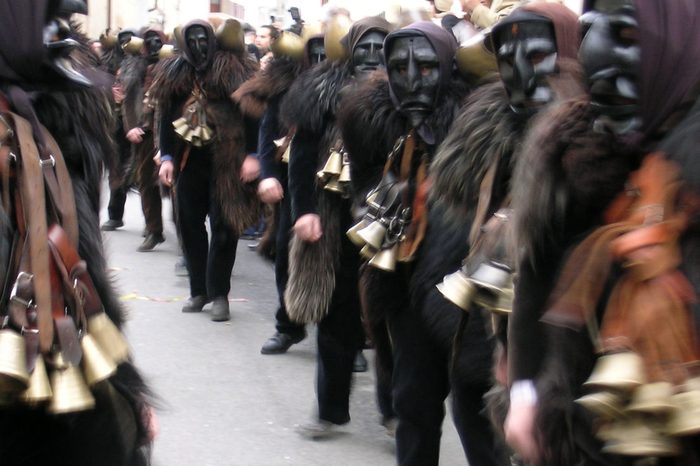
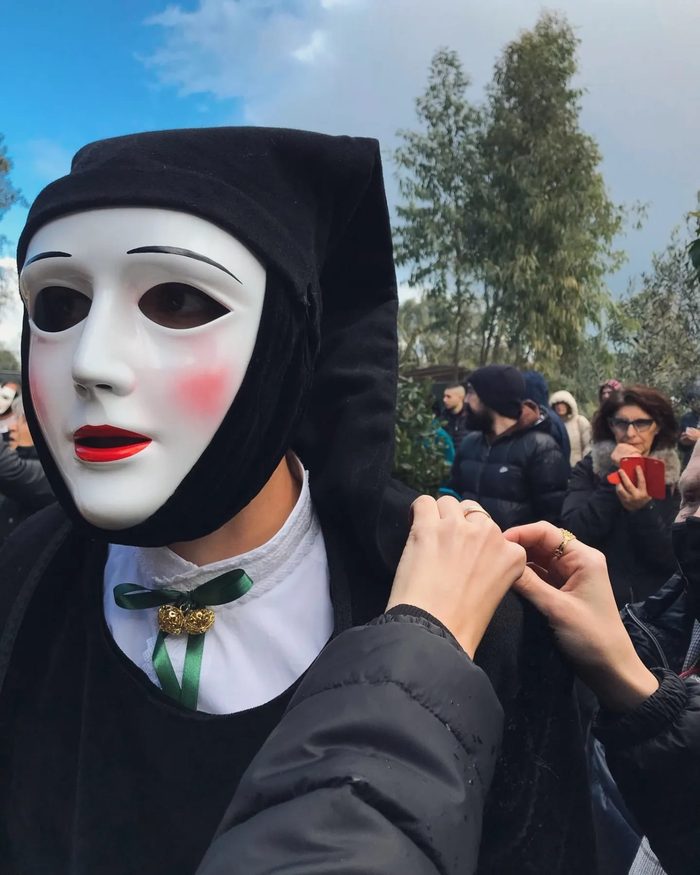
The Mamuthones of Mamoiada with their black masks and cowbells, the Sartiglia of Oristano with masked horsemen at full gallop: ancient rites that are still repeated every February with genuine, moving popular participation.
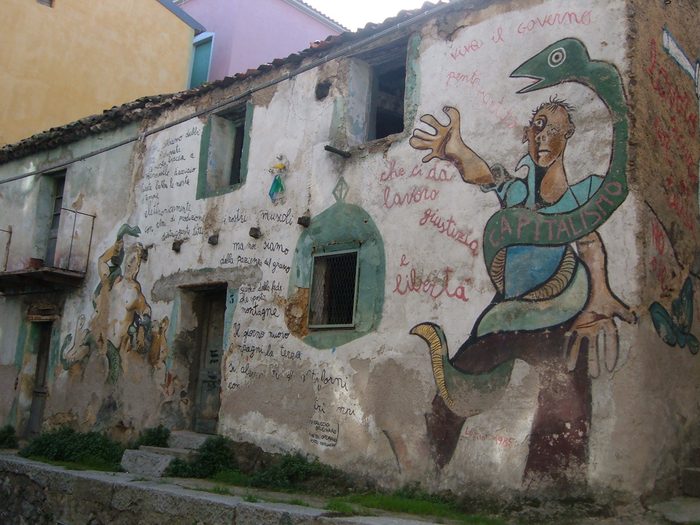
Orgosolo is the village of murals: hundreds of political and social paintings have covered the facades of the historic centre since 1969. But it's not the only one โ many Sardinian villages have turned their walls into open-air art galleries, telling local history and identity.
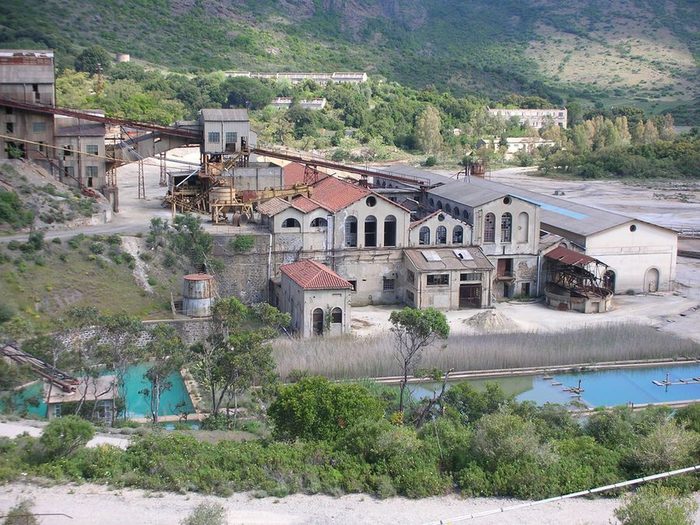
The Iglesiente and Sulcis areas hold the mines that fuelled the Sardinian economy for a century: Montevecchio, Ingurtosu, the Porto Flavia gallery suspended over the sea. Abandoned industrial architecture set in landscapes of poignant beauty.
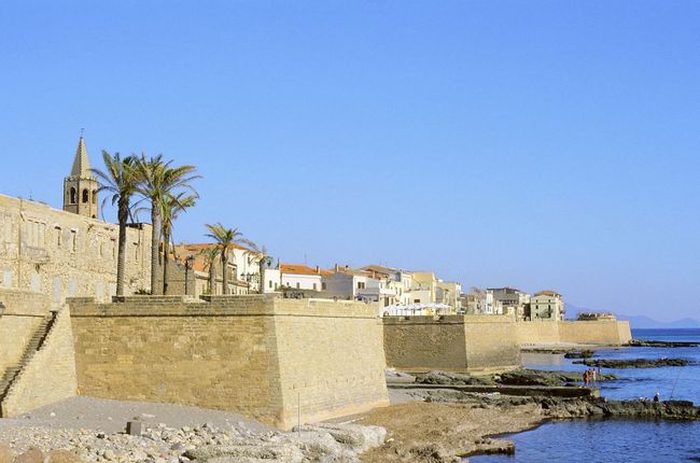
Alghero still preserves a unique Catalan dialect in Italy, a legacy of 14th-century Aragonese rule. The bastioned walls, the churches, the historic centre: a journey between Sardinia and Catalonia without taking a flight.
Sardinia has a packed calendar of religious festivals where traditional costumes are worn with pride: Sant'Efisio in Cagliari, the Ardia of Sedilo, the Cavalcata Sarda of Sassari. Unique opportunities to encounter the authentic Sardinia.
A selection of places and moments that tell the cultural depth of Sardinia.
"Life in Sardinia is perhaps the best a man could wish for: twenty-four thousand kilometres of forests, countryside and coastlines immersed in a miraculous sea should be exactly what I would advise the good Lord to give us as Paradise."
The cost depends on the number of participants, the duration, the sites chosen and the combination of themes. Half-day, full-day or multi-day itineraries: we decide together.
Send us your request and we'll reply within 24 hours with a tailor-made proposal.
Write to us on WhatsApp or request a quote โ let's design the perfect cultural tour for you together.